Ever wonder why people talk about The Heights like it is more than just another Houston neighborhood? If you are thinking about moving here, buying here, or simply narrowing down your options, you probably want a real picture of daily life, not just a list of home prices and trendy spots. The Heights offers a mix of historic charm, local routine, outdoor access, and close-in convenience that feels distinct block by block. Let’s dive in.
The Heights Has a Strong Sense of Place
The Heights was founded in 1891 and is recognized by the City of Houston as Texas’ earliest planned community. That history still shows up in the neighborhood’s layout, especially in the grid pattern and the role of Heights Boulevard as a central spine. Instead of feeling random or disconnected, many parts of the neighborhood feel organized, walkable, and rooted in a long-standing identity.
The area is often described as having a small-town feel in the heart of Houston. That description makes sense when you notice the park-like stretch along Heights Boulevard, the local business clusters, and the active civic presence of the Houston Heights Association. Day to day, that can translate into a neighborhood that feels established rather than constantly shifting.
Streets Feel Residential and Human-Scaled
A big part of daily life in The Heights is the way the streets look and function. In the historic district, the City of Houston notes that most buildings are one- or two-story single-family homes, with common styles including Queen Anne, Craftsman, Folk National, and Folk Victorian. Front setbacks are often around 15 to 25 feet, and garages or carports are usually detached and placed behind the house.
That built form matters more than you might think. It often means front porches, visible yards, and homes that relate to the street in a more traditional way. Even where newer construction has been added, many homes include traditional details intended to blend with the existing streetscape.
Housing Varies More Than You May Expect
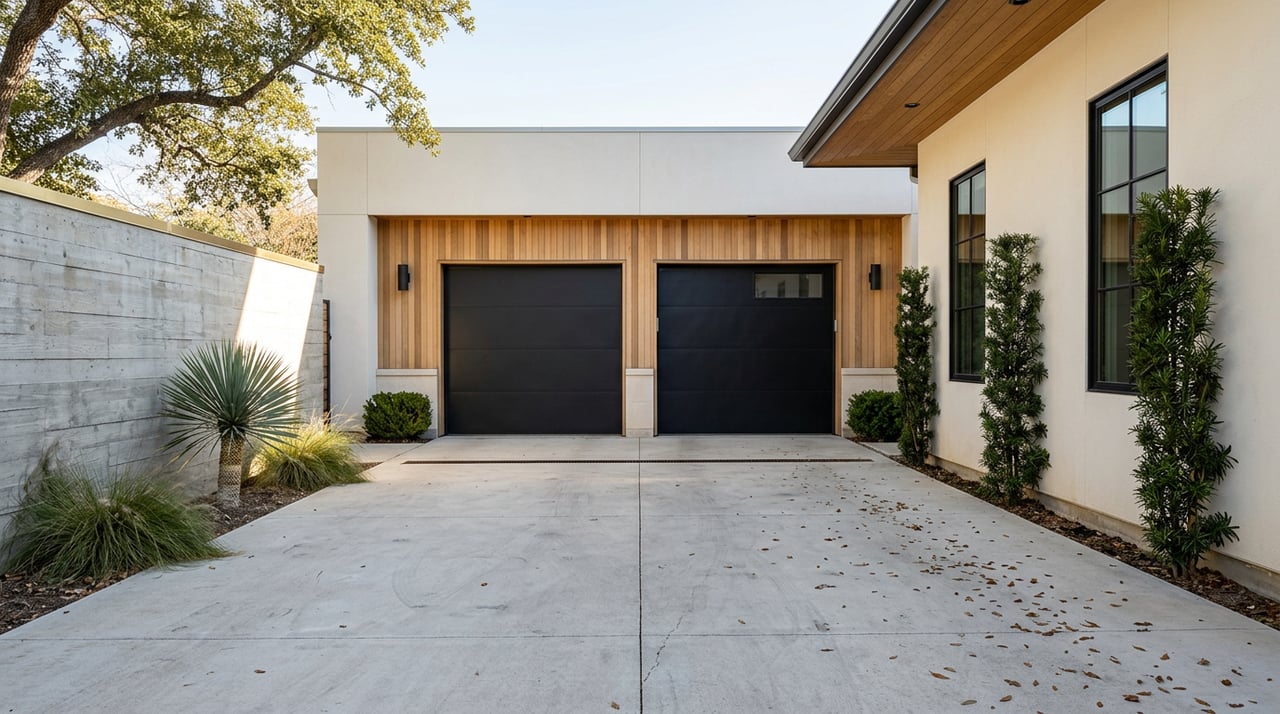
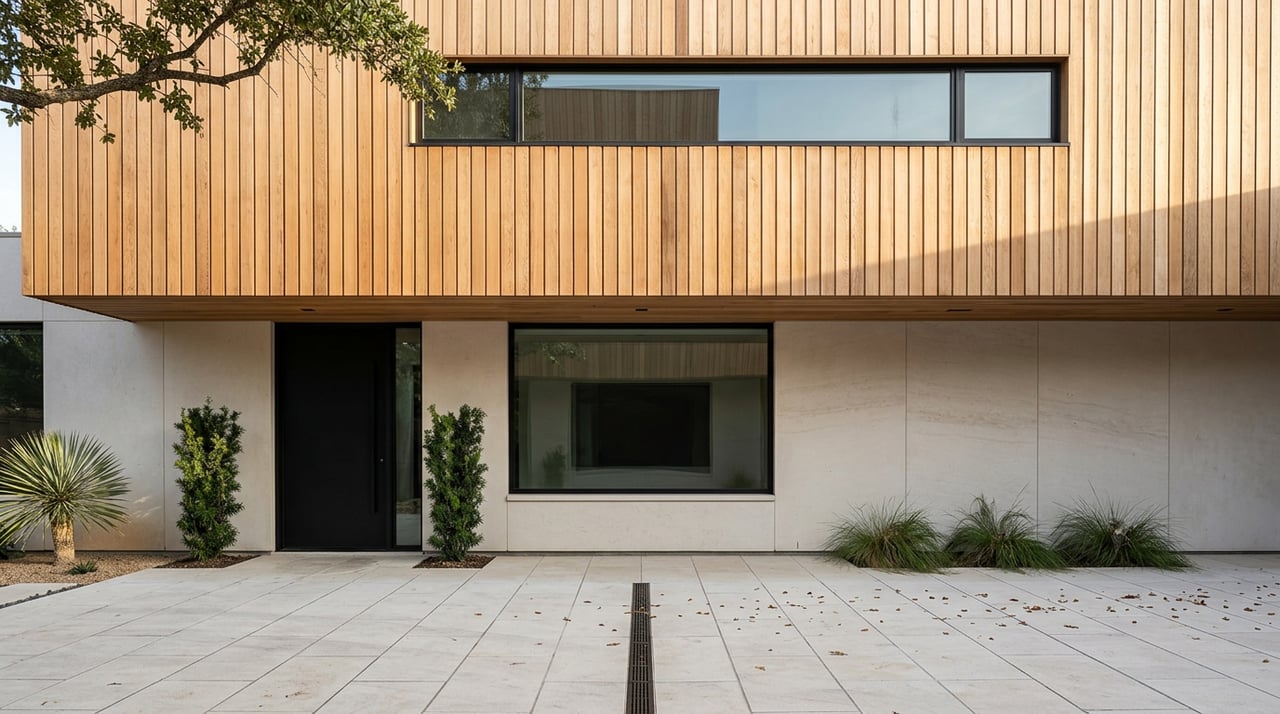
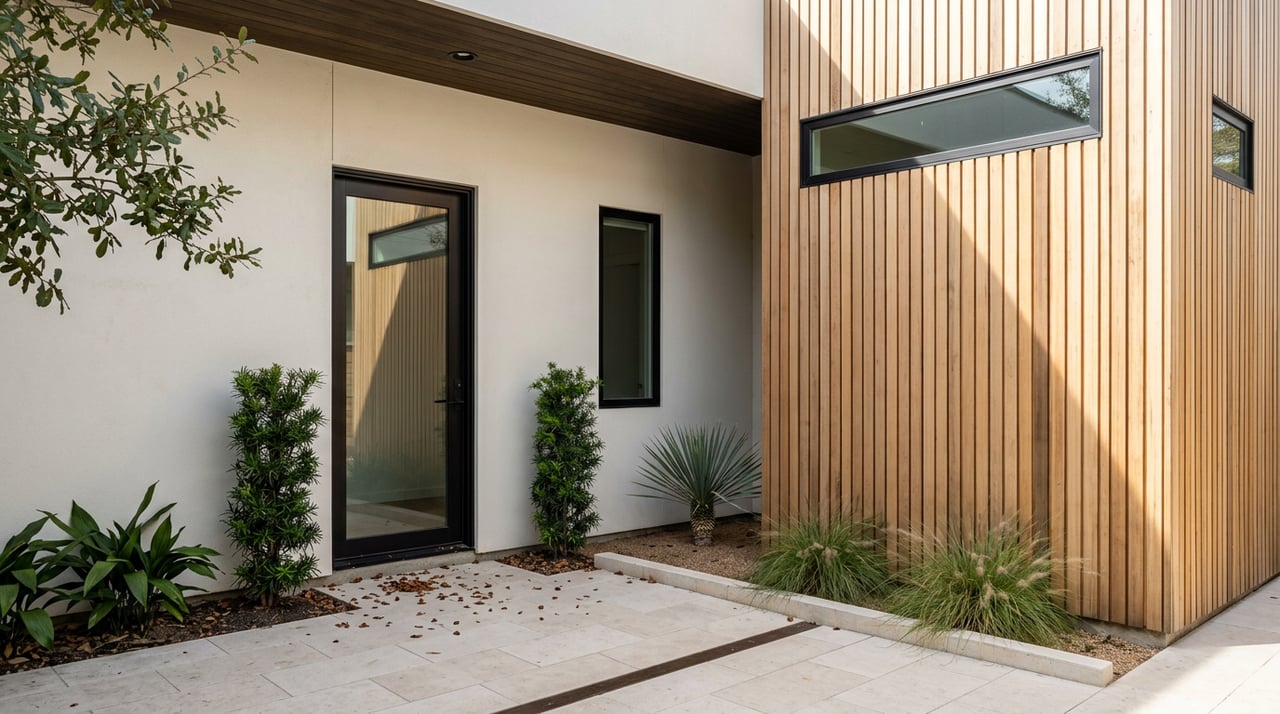
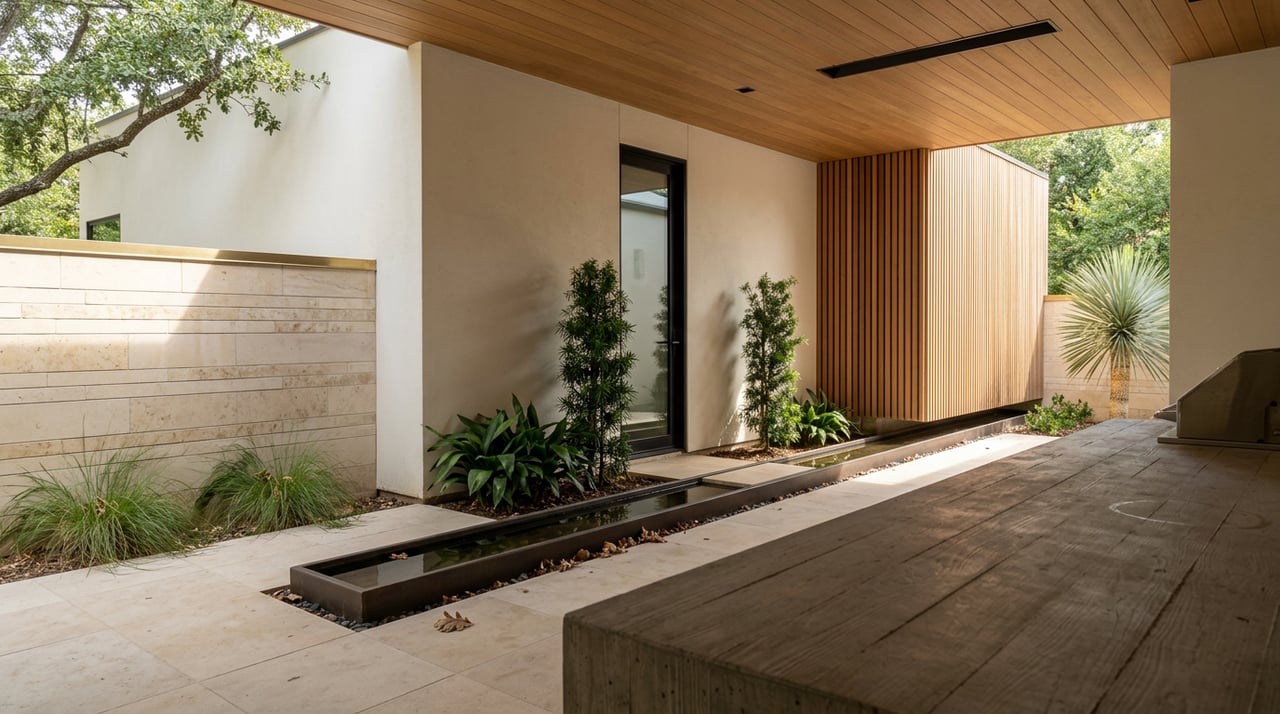
If you picture The Heights as one uniform housing type, daily life here may surprise you. You can find preserved older homes, renovated bungalows, and newer infill homes within the same general area. The overall feel can shift quickly depending on the street, the lot, and whether the home is original, updated, or newly built.
HAR’s neighborhood profile gives a helpful snapshot of the housing stock. The typical home is about 2,284 square feet with roughly three bedrooms, a median lot size of 6,550 square feet, and a median year built of 1950. Larger historic homes have traditionally clustered along Heights Boulevard and nearby streets like Yale and Harvard, especially on corner lots.
For you as a buyer, that means comparison shopping in The Heights takes nuance. Two homes that seem close together on a map can offer a very different daily experience based on layout, scale, lot size, parking setup, and architectural style. For sellers, it also means presentation and positioning matter because buyers are often comparing very different products within the same neighborhood name.
Daily Errands Often Feel Local
The Heights has an everyday rhythm that leans local rather than big-box. The Houston Heights Association’s business directory shows a neighborhood-scale mix of restaurants, cafés, bakeries, breweries, markets, and retail shops. Examples include Blue Tuba, La Carreta Heights, Lúa Viet Kitchen, New Heights Coffee Roasters, Queen Bee’s Tea Room, Bliss on 19th, and Bungalow Blue.
That matters because daily living here often centers on small, familiar places. You are more likely to build routines around coffee runs, casual meals, and locally operated shops than around a major nightlife strip. One reason is historical: the City of Houston notes that dry-ordinance rules remain in place in large portions of the Heights, which helps explain why the neighborhood mix leans toward coffee shops, brunch spots, and restaurants.
Outdoor Time Is Part of the Lifestyle
If you like to walk, jog, or bike, The Heights supports that in a real way. Heights Boulevard includes a jogging trail, and the area connects to broader trail infrastructure that reaches beyond the neighborhood itself. This is one of the clearest ways day-to-day life in The Heights can feel different from a more car-only part of Houston.
Houston Parks Board says White Oak Bayou Greenway intersects the Houston Heights Hike and Bike Trail three times as it passes through the historic Heights and Woodland Heights communities. The White Oak trail also continues southeast to Allen’s Landing downtown and ties into the broader downtown-area trail and transit network. In practical terms, that gives you more than just recreation. It creates options for exercise, weekend plans, and in some cases, mixed-mode commuting.
Commuting Is One of The Heights’ Big Advantages
The Heights sits in a central part of Houston, and that location shapes everyday life in a major way. The City of Houston describes Greater Heights as roughly bounded by I-10, I-610, I-45, and White Oak Bayou. That puts you in a spot where several parts of the city are relatively accessible.
For many residents, the appeal is not just distance but flexibility. METRO’s Route 40 Telephone/Heights includes Downtown Direct service and connects with the Red Line and Purple Line. METRO also operates a weekday Community Connector in the Heights zone from 7 a.m. to 5 p.m., which can help with first- and last-mile trips.
If you prefer having multiple ways to get around, The Heights checks that box better than many neighborhoods. Driving is still part of daily life for most people, but transit and biking are also realistic options thanks to the route network and trail connections. That flexibility can be especially valuable if your routine includes downtown, the Texas Medical Center, or other close-in destinations.
The Price of Entry Is High
The Heights lifestyle comes with a higher price floor than many other Houston neighborhoods. HAR reports a 2025 median market value of $862,000, a median price per square foot of $409.97, and a neighborhood value range of about $554,000 to $1.483 million. The same profile shows average active listing prices near $1.18 million.
That does not mean every home fits the same buyer profile. It does mean that The Heights is a neighborhood where location, lot size, condition, and home type all have a meaningful impact on value. In the broader Heights and Greater Heights market area, HAR reported a median sold price of $740,000 in March 2026, which reinforces that the market includes a range of price points even within a premium area.
For buyers, this is a market where clarity matters. You need to know whether you want historic character, a renovated older home, or newer construction, because those choices can affect both lifestyle and budget. For sellers, it is a reminder that strategic pricing and strong presentation are especially important in a neighborhood where buyers are making close comparisons.
What Living Here Really Feels Like
So what does day-to-day living in The Heights actually feel like? In many parts of the neighborhood, it feels like a close-in urban village with older homes, porches, neighborhood restaurants, coffee stops, and easy access to trails. At the same time, it is still Houston, which means your experience can vary depending on the exact block, the style of home, and how close you are to retail corridors or major routes.
The Heights tends to work well for people who want character and convenience in the same place. You get a neighborhood with a visible identity, strong access to outdoor space, and relatively direct routes to major job centers. What you give up, in many cases, is affordability compared with less central parts of the metro.
If you are weighing a move to The Heights or thinking about how your home fits into this market, local context makes all the difference. A bungalow on one street, a modern infill on another, and a larger home near Heights Boulevard can each attract a different type of buyer and support a different lifestyle. That is where a block-by-block understanding becomes valuable.
Whether you are buying, selling, or evaluating a property in The Heights, working with someone who understands pricing, presentation, and Houston micro-markets can help you make a more confident decision. To talk through your options, request a complimentary consultation and home valuation with Jaime Fallon.
FAQs
What is daily life in The Heights Houston like?
- Daily life in The Heights often includes a mix of residential streets, local coffee shops and restaurants, trail access, and convenient routes to downtown and other close-in Houston destinations.
What types of homes are common in The Heights?
- The Heights includes many one- and two-story single-family homes, especially historic styles like Craftsman and Queen Anne, along with renovated older homes and newer infill construction.
Is The Heights Houston walkable for errands and recreation?
- Many daily routines in The Heights can feel neighborhood-oriented thanks to local retail clusters, cafés, and access to trails such as the Heights hike and bike connections and White Oak Bayou Greenway.
How much do homes cost in The Heights Houston?
- According to HAR, the neighborhood had a 2025 median market value of $862,000, with a reported value range of roughly $554,000 to $1.483 million.
Is The Heights a good fit for commuters?
- The Heights offers central access to major roads, METRO bus connections, Downtown Direct service on Route 40, rail connections through METRO, and trail links that can support biking and mixed-mode travel.
Why do different parts of The Heights feel so different?
- The neighborhood includes a mix of historic homes, renovated properties, and newer builds, so the feel can change depending on the street, lot size, home style, and proximity to retail corridors or major routes.