Moving to Houston and want a short, predictable commute without giving up trees, trails, and a polished neighborhood feel? Memorial might be your best match. You get fast access to major job hubs plus daily conveniences that keep your schedule tight. In this guide, you’ll see how Memorial’s subareas differ, what commutes really look like, and the amenities that make life easier. Let’s dive in.
What “Memorial” means
Memorial refers to two overlapping areas on Houston’s west side. One is the Memorial district along I‑10 that includes Memorial City and CityCentre. The other is the set of upscale incorporated municipalities known as the Memorial Villages: Bunker Hill, Piney Point, Hunters Creek, Hedwig, Hilshire, and Spring Valley.
These subareas feel different day to day. The Villages are quiet and residential with large lots and mature trees. Memorial City and CityCentre offer a more urban mix near offices, shopping, and dining.
Housing at a glance
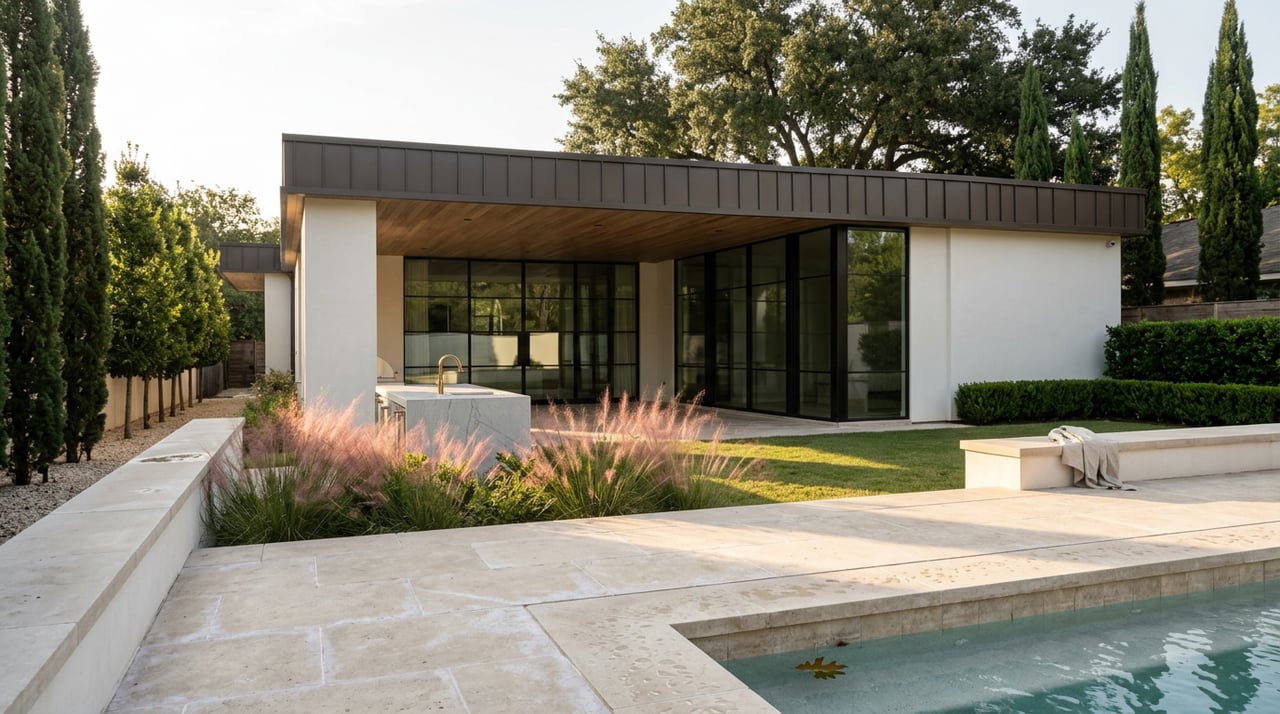
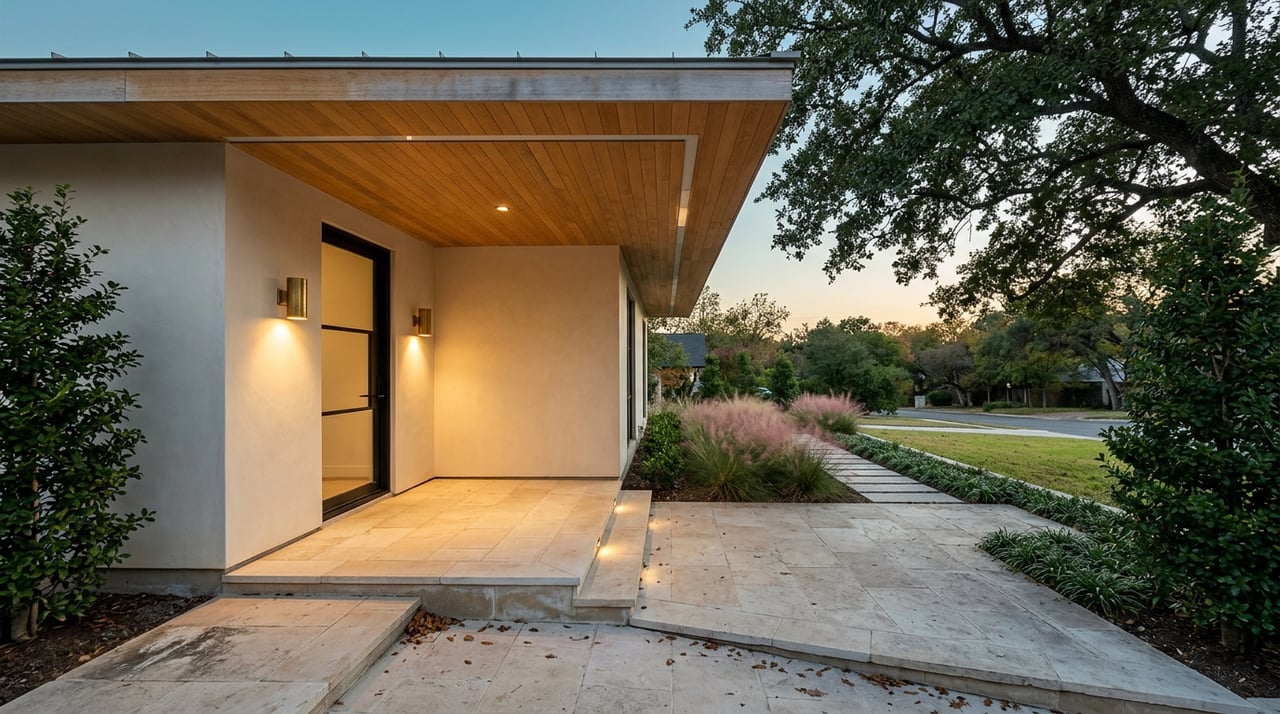
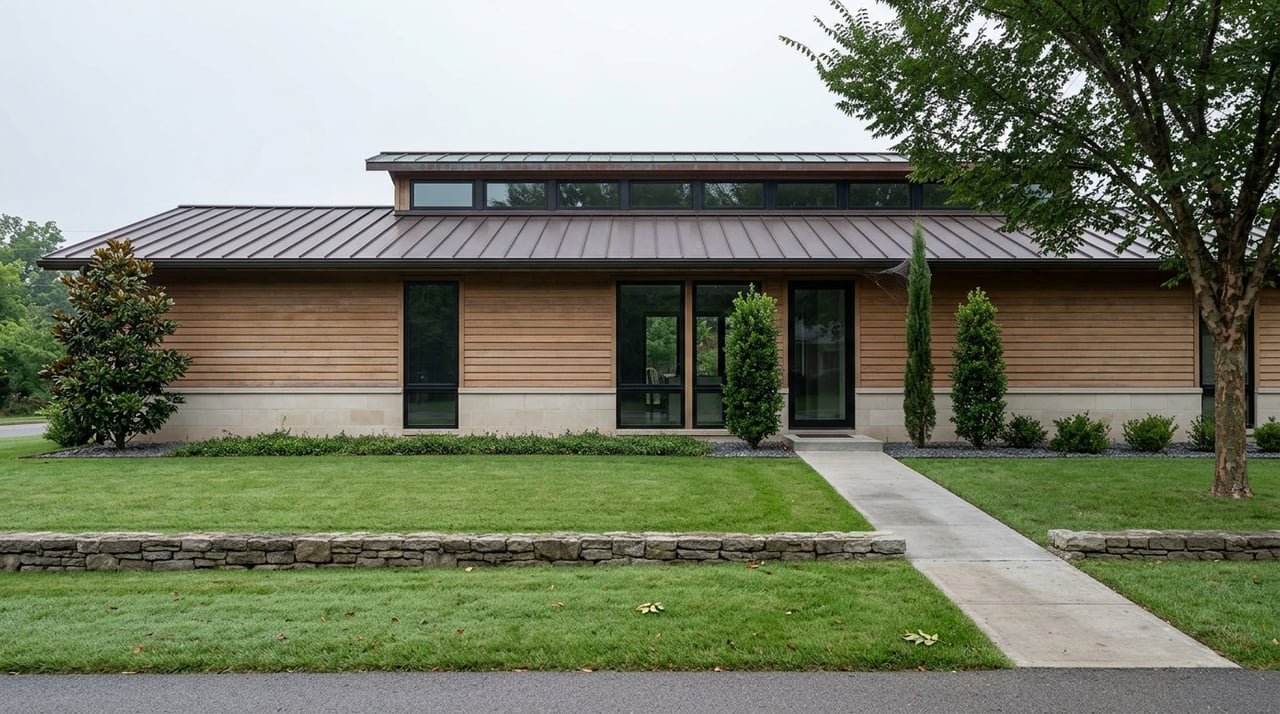
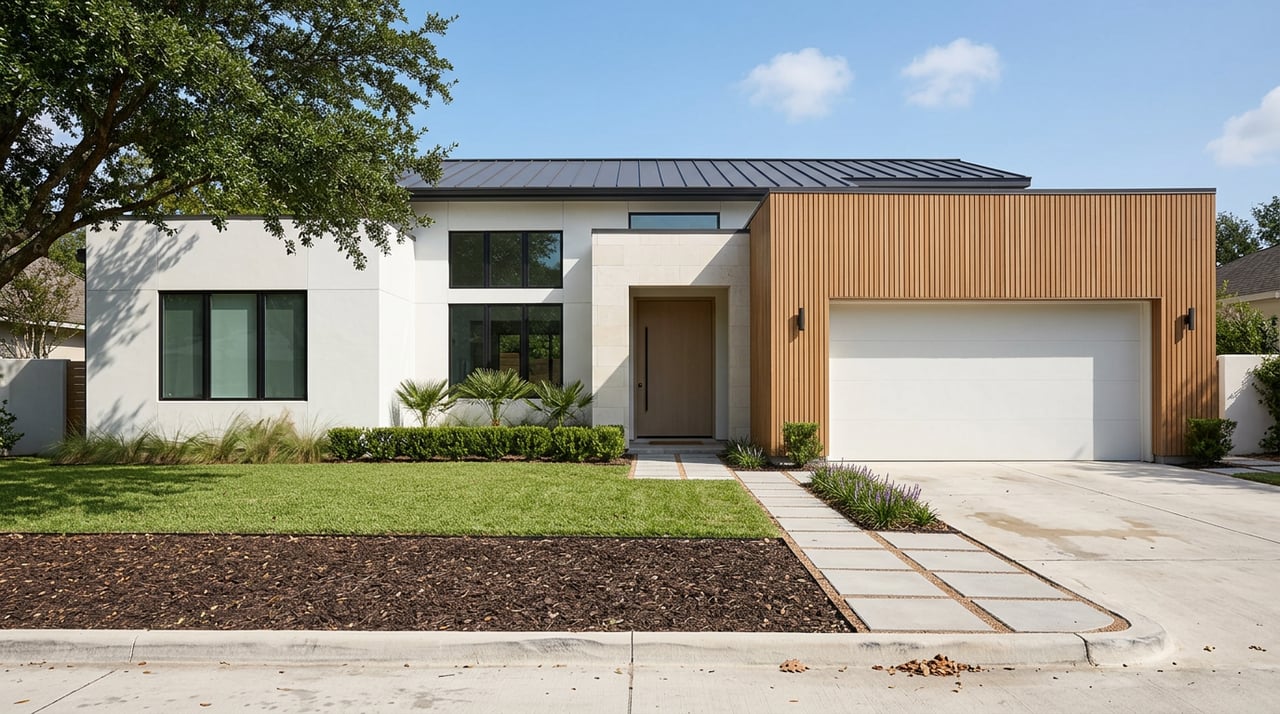
You will find a wide range of homes across Memorial. Options include estate properties on large wooded lots in the Memorial Villages, traditional mid‑century and newer rebuilds in close‑in Memorial, and higher‑density condos, townhomes, and apartments around Memorial City and CityCentre. This creates a broad price spectrum, from mid‑six‑figure condos or townhomes in parts of the district to multi‑million‑dollar estates in the Villages.
If you want privacy and land, the Villages and nearby secluded blocks fit that brief. If you prefer a low‑maintenance home with a quick commute and walkable errands, condos or townhomes near Memorial City or CityCentre often make sense.
Commute access to job hubs
Memorial is popular because it puts you close to multiple employment centers. Typical drive ranges are practical if you plan well:
- Energy Corridor: often about 5–20 minutes depending on your exact address and traffic.
- Uptown/Galleria: commonly about 10–20 minutes.
- Downtown: off‑peak about 15–25 minutes, peak often 25–45 minutes or more.
Active roadway work can affect timing, especially along I‑10 near Inner Katy and White Oak Bayou. Keep an eye on project updates like the White Oak Bayou elevation work that can add variability to downtown trips. For context, see this construction update on I‑10 improvements near White Oak Bayou from Community Impact’s transportation coverage: White Oak Bayou elevation project begins initial steps on I‑10 Katy Freeway.
How to plan a stress‑light commute
- Choose a home within 5–10 minutes of your preferred on‑ramp for I‑10, Loop 610, or Beltway 8.
- Test your specific route on live maps during your actual peak hours before you make an offer.
- Use managed lanes, HOV, or Park & Ride to fix your timing on meeting-heavy days.
Transit and time‑saving options
Park & Ride and express bus
METRO’s Park & Ride system serves the west side, including lots like Addicks, Gessner, and Westchase, with express service into Downtown and other hubs. If your employer supports transit passes, Park & Ride can take the edge off rush hour while you catch up on email. Check locations on METRO’s transit facility list.
Managed lanes and toll corridors
The Katy Freeway managed lanes and Westpark Tollway are everyday tools for time‑sensitive trips. You will need a toll tag, and there is a recurring cost, but many professionals find the trade‑off worth it. Learn more about regional toll options from the Harris County Toll Road Authority.
Everyday convenience in Memorial
Parks and trails close to home
Memorial Park is a standout at roughly 1,500 acres, with miles of trails, the popular running complex, tennis, golf, and recent master‑plan additions like the Land Bridge & Prairie and Eastern Glades. For quick weekday workouts or decompression, it is hard to beat. Explore the map and amenities via the Memorial Park Conservancy.
If you like a riverfront ride or a skyline run, the connected paths at Buffalo Bayou Park make great alternatives. Both parks are close to many Memorial addresses, so you can get outdoors without a long drive.
CityCentre and Memorial City
Busy weeks are easier when errands live in one place. The walkable, mixed‑use CityCentre district packs fitness studios, dining, shops, and offices into a compact footprint. Nearby Memorial City layers a regional mall with open‑air retail, restaurants, and medical offices.
Memorial Hermann Memorial City Medical Center anchors the area’s healthcare access. You will find specialty services and a major hospital campus right in the district, which is valuable for families and frequent travelers. See services at Memorial Hermann Memorial City.
Health, wellness, and private clubs
If you prefer one‑stop wellness, the Houstonian Hotel & Club offers extensive fitness, spa, and tennis facilities just minutes from many Memorial addresses. It is a convenient option for professionals who value premium amenities and networking opportunities. Learn more about the Houstonian Hotel, Club & Spa.
Practical notes before you buy
Flood due diligence
Flood risk varies by street and even by lot. Before writing an offer, review the property’s flood designation on FEMA’s Map Service Center by entering the exact address. Start your check here: FEMA Map Service Center. The Harris County Flood Control District also provides interactive tools that many buyers use for a second look.
Municipal services and permitting
The Memorial Villages are incorporated cities with their own local services and rules, which may differ from the City of Houston. For example, Bunker Hill Village provides details on services and city profile on its site. Get a feel for how a village operates on the Bunker Hill city profile page.
Is Memorial the right fit for you?
- Choose the Villages if you want privacy, larger lots, and a quiet residential setting.
- Consider Memorial City or CityCentre if you prefer low‑maintenance living near restaurants, retail, and some offices.
- If commute time is your top priority, weigh proximity to on‑ramps and managed lanes and test the drive during your real peak hours.
How to start your search
- Clarify your subarea. Decide whether the Villages’ residential feel or the Memorial City/CityCentre mix aligns with your day to day.
- Define housing style. Estate home, traditional single‑family, or condo/townhome with minimal upkeep.
- Map your commute. Test live maps at peak to Downtown, Uptown, and the Energy Corridor, and note any construction alerts along I‑10.
- Match your lifestyle. Consider how often you will use Memorial Park, Buffalo Bayou Park, CityCentre, and club amenities.
- Get local guidance. A targeted search with on‑the‑ground context will save you time and help you act decisively.
Ready to explore homes that fit your commute, lifestyle, and budget in Memorial? Reach out to Jaime Fallon for a focused, data‑driven search and seamless relocation support.
FAQs
How long are commutes from Memorial to Houston job hubs?
- Typical ranges: Energy Corridor about 5–20 minutes, Uptown/Galleria about 10–20 minutes, Downtown off‑peak about 15–25 minutes and often 25–45 minutes at peak. Always test your exact route during your normal drive times.
What housing options work well for busy professionals in Memorial?
- Options span estate homes on large lots in the Villages to low‑maintenance condos and townhomes around Memorial City and CityCentre, plus many traditional single‑family homes in between.
Is Memorial walkable for daily errands?
- Some pockets are. CityCentre and parts of Memorial City are designed for walkability, while most residential streets in the Villages are low density and car‑dependent for errands.
What should I know about flood risk before buying in Memorial?
- Check the exact address on the FEMA Map Service Center to see flood zone designations and discuss insurance with your lender and agent. Many buyers also review Harris County Flood Control District tools.
Do the Memorial Villages have different city services than Houston?
- Yes. The Villages are separate municipalities with their own police, fire, and permitting. For an example of local services, see the Bunker Hill city profile.