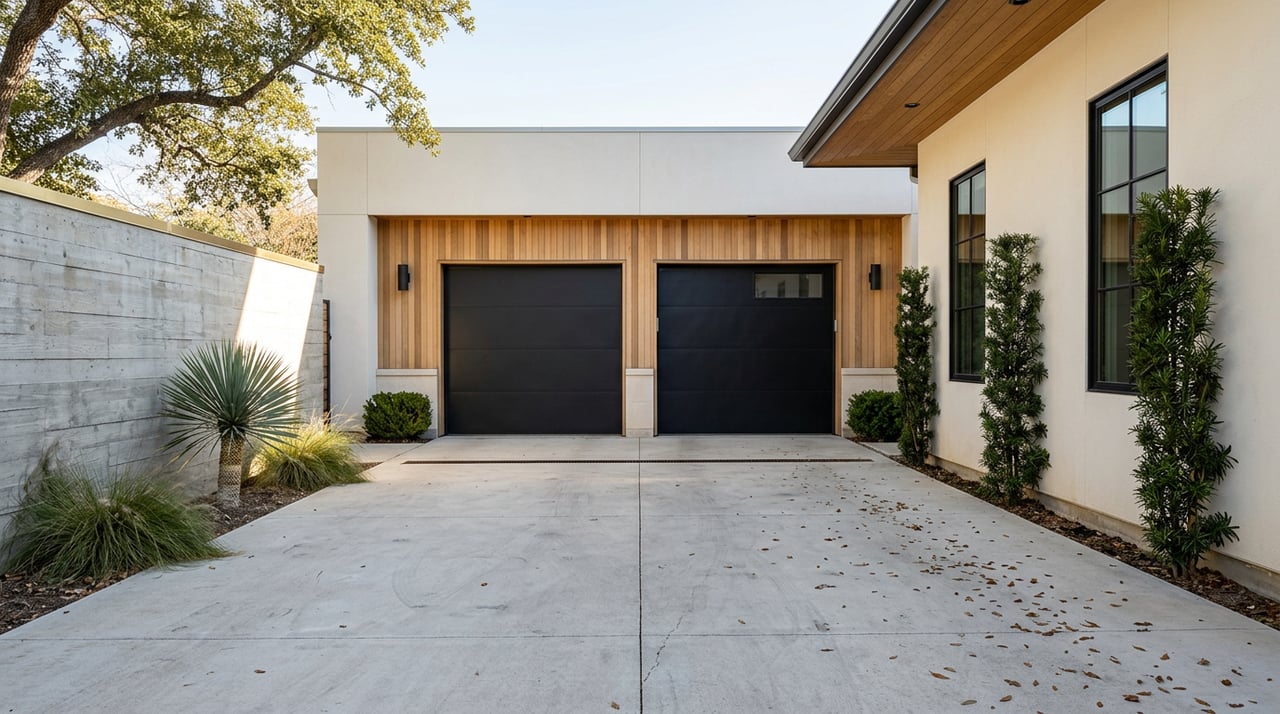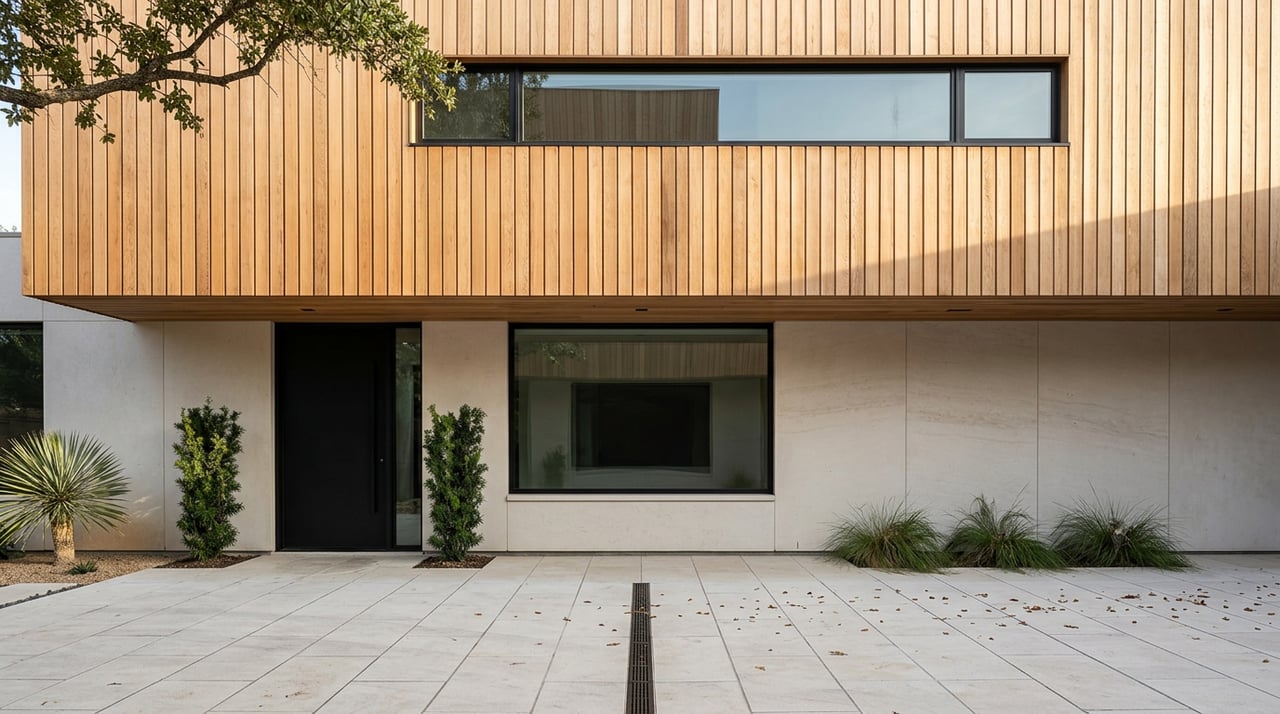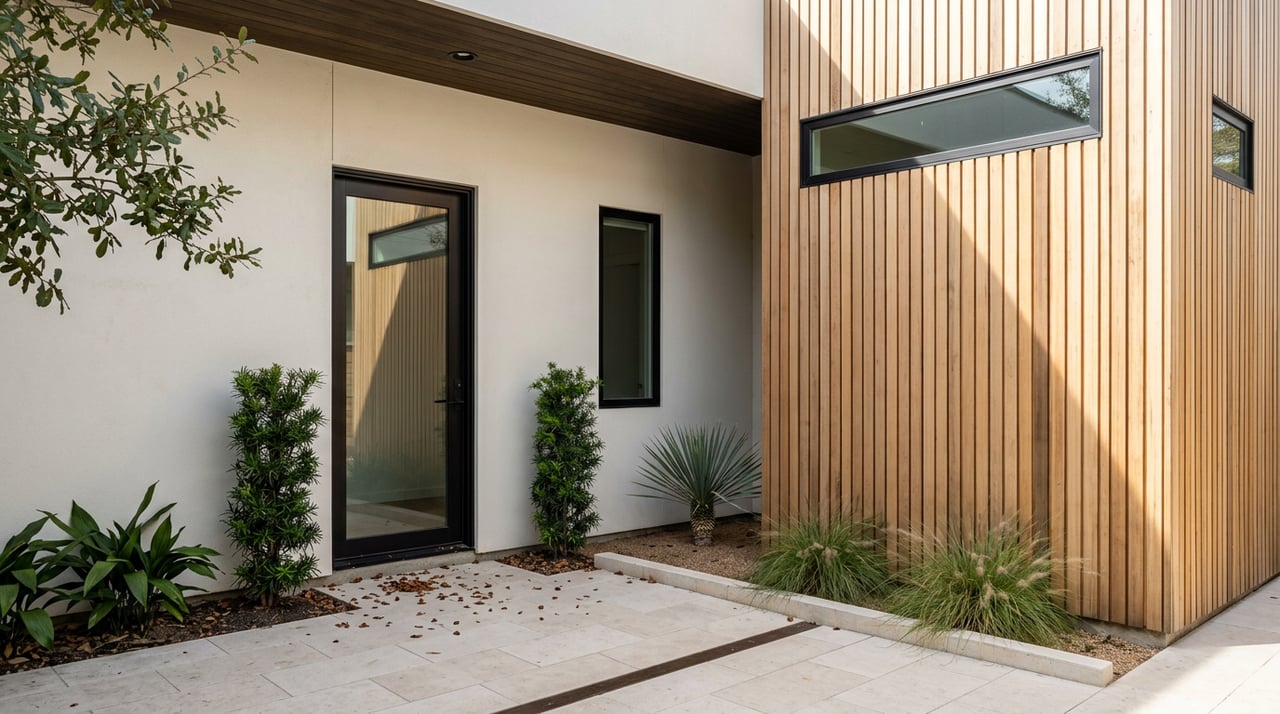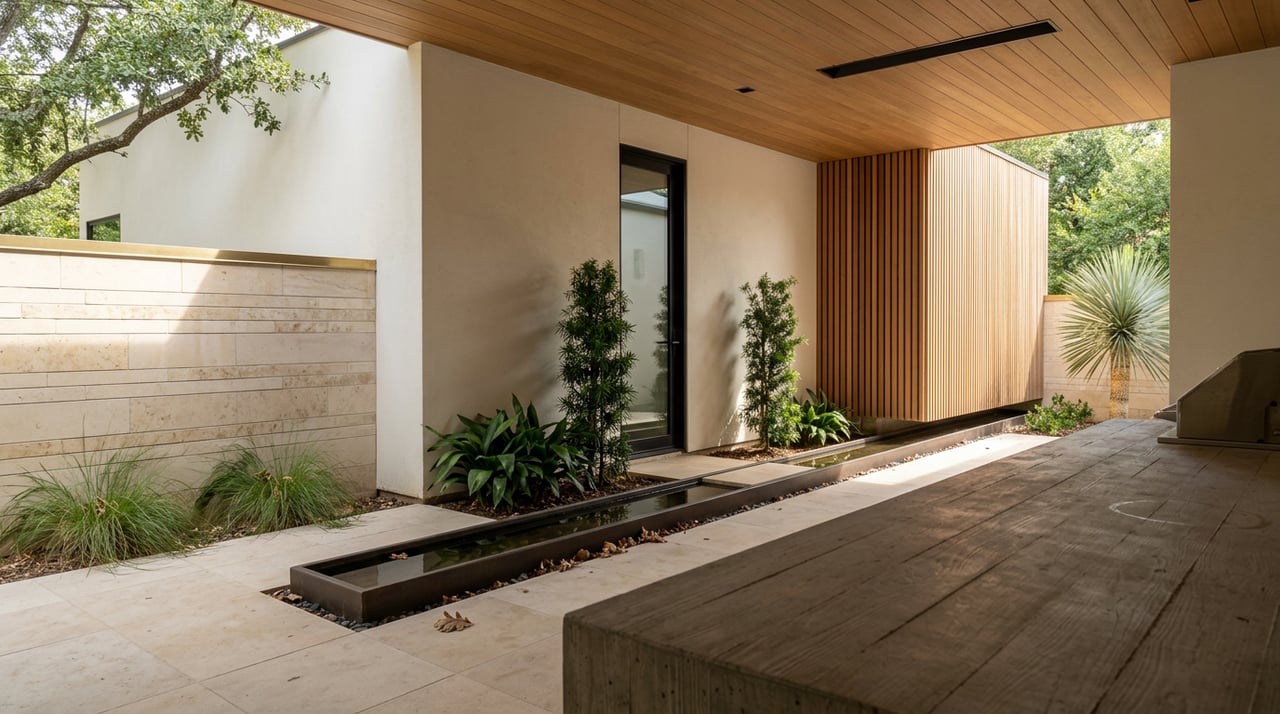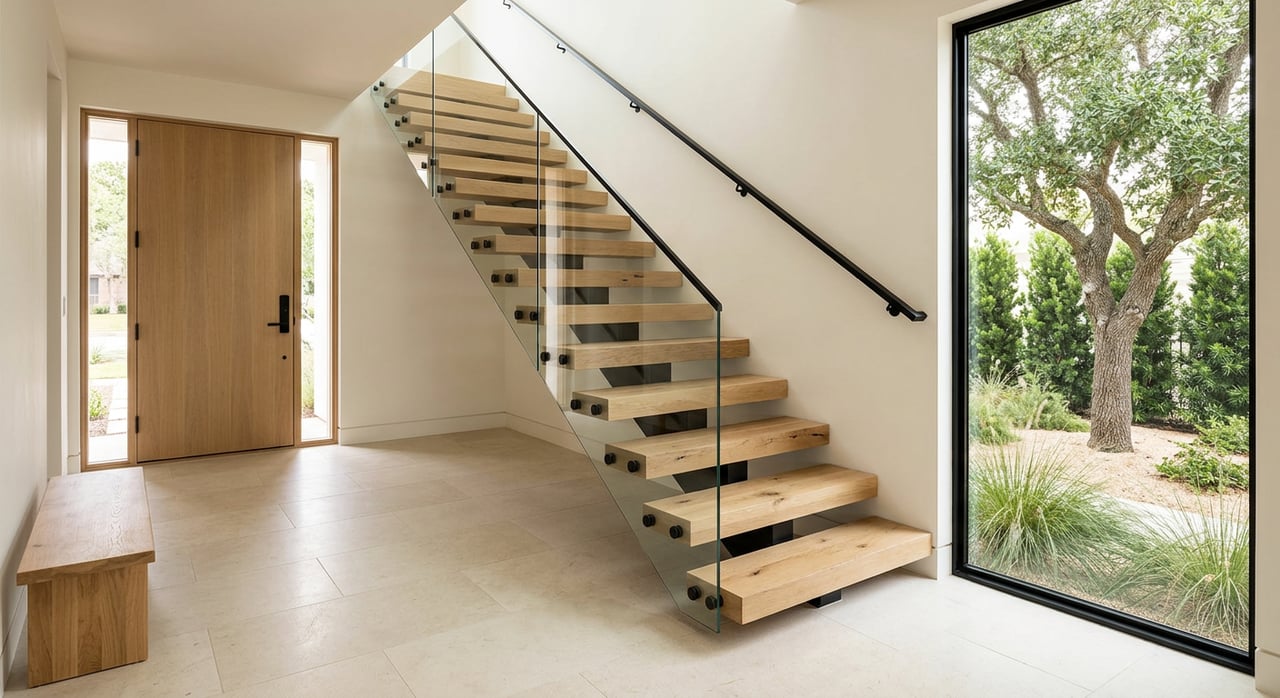
Thinking about a brand‑new home in Bellaire Oaks but unsure what really goes into it? You are not alone. Between lot selection, floodplain questions, permits, finish choices, and financing, the process can feel complex. In this guide, you will learn how new construction works in Bellaire Oaks, what costs to expect, how timelines typically play out, and where an experienced buyer’s agent can protect your budget and your time. Let’s dive in.
New construction in Bellaire Oaks: your options
Bellaire Oaks sits within the City of Bellaire, an established in‑town market where new homes often come from teardowns and infill building. You will see three common paths:
- Teardown plus custom rebuild. A builder acquires an older home, demolishes it, then constructs a custom or semi‑custom home tailored to the lot and buyer.
- Spec or semi‑custom inventory. Smaller builders may start a home and sell it during or after completion, sometimes allowing limited design choices.
- Lot‑only purchase. You buy a cleared or wooded lot, then hire a builder to design and build. Lot size and shape vary widely in Bellaire, which affects design and price.
If you need a move‑in date soon, a near‑complete spec can work well. If you want control over layout and finishes, a custom build may fit better.
Lot, zoning, and deed restrictions
Bellaire is a zoned city. The Development Services department manages residential permits, sets construction hours, and issues Certificates of Occupancy. You will submit plans and schedule inspections through the city’s SmartGov portal. Review the city’s process on the official Development Services page so you understand steps before you commit. Visit Bellaire Development Services.
Deed restrictions are handled privately. The City of Bellaire does not enforce private deed restrictions. You, your title company, or your HOA are responsible for obtaining and confirming any recorded covenants that could affect buildable area or design. Read the city’s FAQ to understand the difference and plan your due diligence. See the city’s deed restriction FAQ.
Floodplain and drainage checks
Bellaire lies in the Brays Bayou watershed, so every lot deserves a flood review. Before you sign a contract, check current FEMA flood maps, request the builder’s grading and drainage plan, and confirm the intended finished‑floor elevation. If the lot is in a Special Flood Hazard Area, ask for an Elevation Certificate and understand insurance requirements. Start with FEMA’s flood map tools so you know your risk and potential mitigation options. Explore FEMA flood map tools.
A thoughtful drainage plan and the right floor elevation can protect your investment and improve resale confidence later.
Permits, inspections, and timeline
The City of Bellaire issues building permits, conducts required code inspections at key stages, and requires a Certificate of Occupancy before move‑in. That means framing, electrical, plumbing, and mechanical work will be inspected and documented by the city. For submittal and status tracking, you will use the SmartGov system referenced by Development Services. Review Bellaire’s permitting process.
How long will it take? National data show production homes often complete in about 8 to 12 months, while custom infill projects can take longer depending on scope, weather, and labor. In Bellaire Oaks, plan for roughly 9 to 12 months from permit to keys for a typical custom build, with added time if you make structural changes. See industry timing trends.
How pricing really works
Most builders separate costs into three buckets: the lot or lot premium, the base house price tied to plan and square footage, and finish options or structural upgrades. Always request a detailed inclusion list that spells out what is standard and what is optional. A line‑by‑line price sheet helps you compare across builders and control budget drift. Learn common inclusion and upgrade structures.
Design center choices add up fast. Premium tile, counters, cabinetry, flooring, fixtures, and lighting can add 5 to 10 percent or more to the base price. Structural changes usually cost more and must be locked early. Ask for an itemized menu before your design appointment so you can prioritize high‑impact items. Read practical upgrade tips.
Expect change orders. Mid‑build adjustments often carry a price premium and can delay your schedule. Clarify in writing how change orders are requested and approved, how they are priced, and whether they affect your closing timeline. See change‑order cautions.
Incentives, deposits, and taxes
Builders may offer credits for using a preferred lender or title company. Compare those incentives to independent loan quotes so you understand the true cost of funds. Get all incentives in writing before you sign. Review common builder‑incentive practices.
Plan for deposits. Custom deals may require staged deposits at reservation, foundation start, and framing. Make sure the schedule, refund terms, and timelines are clear in your contract.
Remember property taxes. The City of Bellaire’s FY2026 rate is $0.4174 per $100 of assessed value. Your actual tax bill combines city, HISD, county, and other taxing units, so confirm the full rate for the specific parcel when you model monthly payments. See the city’s adopted budget and rate.
Financing your build
You will typically choose between a construction‑to‑permanent loan, which finances construction then converts to a standard mortgage, or a two‑close path using a separate construction loan followed by a permanent mortgage at completion. Construction loans often feature interest‑only payments during the build and lender inspections before each draw. Ask early what documents your lender needs, including plans, budget, builder qualifications, and the draw schedule. Get an overview of construction loans.
Shop lenders even if the builder offers a rate or closing‑cost incentive. The best choice balances rate, fees, draw process, and flexibility on change orders and timeline shifts.
Warranties, inspections, and quality control
Most reputable builders offer a “1‑2‑10” warranty format: 1 year for workmanship and materials, 2 years for mechanical systems, and 10 years for major structural defects. Ask if the structural coverage is insurance‑backed and whether it transfers to a future buyer. Get the full booklet and claims process before closing. Understand 1‑2‑10 warranties.
Inspections are still important. The city will perform required code inspections, but you should also hire an independent inspector for at least a pre‑drywall review and a final inspection. Plan a detailed pre‑closing walk‑through to build a punch list, then schedule an 11th‑month inspection to catch warranty items while coverage is active. See Bellaire’s inspection framework.
Contracts and buyer representation in Texas
Starting January 1, 2026, Texas rules require a written buyer‑representation agreement before a license holder provides substantive brokerage services to a buyer. Expect to sign short representation paperwork early in the process if you want full advocacy during showings, negotiations, and contract review. Read TREC’s latest updates.
Builder sales teams represent the builder. A dedicated buyer’s agent can flag unfavorable contract terms, benchmark upgrade pricing, guide lot selection with resale in mind, coordinate independent inspections, and negotiate credits or rate buydowns. If a builder asks you to register at a model, bring your agent on the first visit so your representation and compensation arrangements are documented.
Resale value and smart upgrades
Think long term while you design. Flexible floor plans, ample storage, multiple full baths, and efficient systems tend to support resale. Prioritize structural and mechanical upgrades that add daily utility and long‑term confidence over purely cosmetic splurges. See upgrade value guidance.
Lot traits matter. Orientation, buildable area, and proximity to daily conveniences can influence future demand. Larger lots are rare and often command premiums. Your agent can help you weigh these tradeoffs and pull recent lot comps to inform your offer.
Quick buyer checklist
- Confirm the lot’s plat, title, and any recorded deed restrictions. If applicable, coordinate with your HOA and title company. Start with the city’s deed restriction FAQ.
- Check FEMA maps and ask the builder for finished‑floor elevation and a drainage plan. Request an Elevation Certificate if in a mapped hazard area. Use FEMA flood tools.
- Bring your agent to the first model or lot visit. Sign a written buyer‑representation agreement if you want full advocacy. Review TREC updates.
- Get the builder’s inclusion list, upgrade price sheet, and written change‑order process. Set a contingency of 5 to 10 percent for design‑center choices. Read upgrade tips.
- Choose your financing path early and confirm draw schedules, inspection steps, rate lock strategy, and fees. See a construction‑loan overview.
- Review warranty booklets in full. Ask whether structural coverage is insurance‑backed and transferable. Understand 1‑2‑10 coverage.
- Budget closing costs, the combined local property tax rate, utilities, and any HOA compliance costs. See Bellaire’s current city tax rate.
Building new in Bellaire Oaks can deliver a modern floor plan in a prime in‑town setting, but the details make the difference. With deep local experience in both brokerage and development, our team can help you compare builders, stress‑test pricing and allowances, navigate floodplain and permitting, and manage inspections through closing. If you are considering a new build or spec home in Bellaire Oaks, start with a focused plan and the right advocate. Connect with Jaime Fallon to map your next steps.
FAQs
How long does a new home take to build in Bellaire Oaks?
- Industry data shows many single‑family builds complete in about 8 to 12 months for production and longer for custom; plan roughly 9 to 12 months from permit to keys in Bellaire Oaks. See timing trends
What permits and inspections are required in the City of Bellaire?
- You will submit plans through SmartGov, pass city code inspections at set stages, and obtain a Certificate of Occupancy before move‑in. Review Bellaire’s process
Do I need flood insurance for a Bellaire Oaks new build?
- It depends on the FEMA flood zone and lender requirements; check maps, confirm finished‑floor elevation, and request an Elevation Certificate if in a Special Flood Hazard Area. Use FEMA flood tools
How do builder warranties work on new construction?
- Many builders offer a 1‑2‑10 warranty with 1 year for workmanship, 2 years for systems, and 10 years for major structural defects; ask if the structural coverage is insurance‑backed and transferable. Learn more
What is Bellaire’s city property tax rate and why does it matter?
- The City of Bellaire’s FY2026 rate is $0.4174 per $100 of assessed value, and your total bill includes city, HISD, county, and other units, which impacts monthly payments. See the adopted budget
Should I use the builder’s preferred lender or shop around?
- Compare incentives to independent quotes and consider rate, fees, draw process, and lock flexibility before deciding; the best choice balances costs and control. See a construction‑loan overview