Wondering if Montrose fits the way you want to live in Houston? That is a smart question, because Montrose is not a one-size-fits-all neighborhood. If you are weighing commute, housing style, price range, and everyday lifestyle, this guide will help you understand where Montrose stands and who it tends to suit best. Let’s dive in.
What Montrose Feels Like
Montrose sits in west central Houston in the City of Houston’s Neartown/Montrose super neighborhood. It is roughly bounded by Highway 59, Allen Parkway, Taft, Bagby, Main, and South Shepherd, which places it close to downtown and firmly in the inner loop conversation.
The area is widely known for its eclectic identity. The City of Houston describes Montrose as one of the city’s most eclectic communities, with a bohemian atmosphere and a long history tied to artists and musicians.
That character still shows up today in the neighborhood’s cultural anchors. Places like the Menil Collection, Rothko Chapel, Art League Houston, the University of St. Thomas, and the Montrose Center help define the area’s day-to-day feel.
Why Buyers Look at Montrose
For many buyers, Montrose starts with location. It is a roughly four-square-mile area just west of downtown, and planning work in the area has focused on pedestrian and cycling facilities, transit accessibility, green space, housing, and economic development.
In practical terms, that often makes Montrose appealing if you want central access and a more urban setting. You may find it especially attractive if neighborhood character matters more to you than large lots or a uniform subdivision feel.
Montrose also offers a lifestyle that is hard to duplicate in many other parts of Houston. It is known for art galleries, global dining, murals, thrift shops, live music, and a broad mix of local businesses.
Housing in Montrose
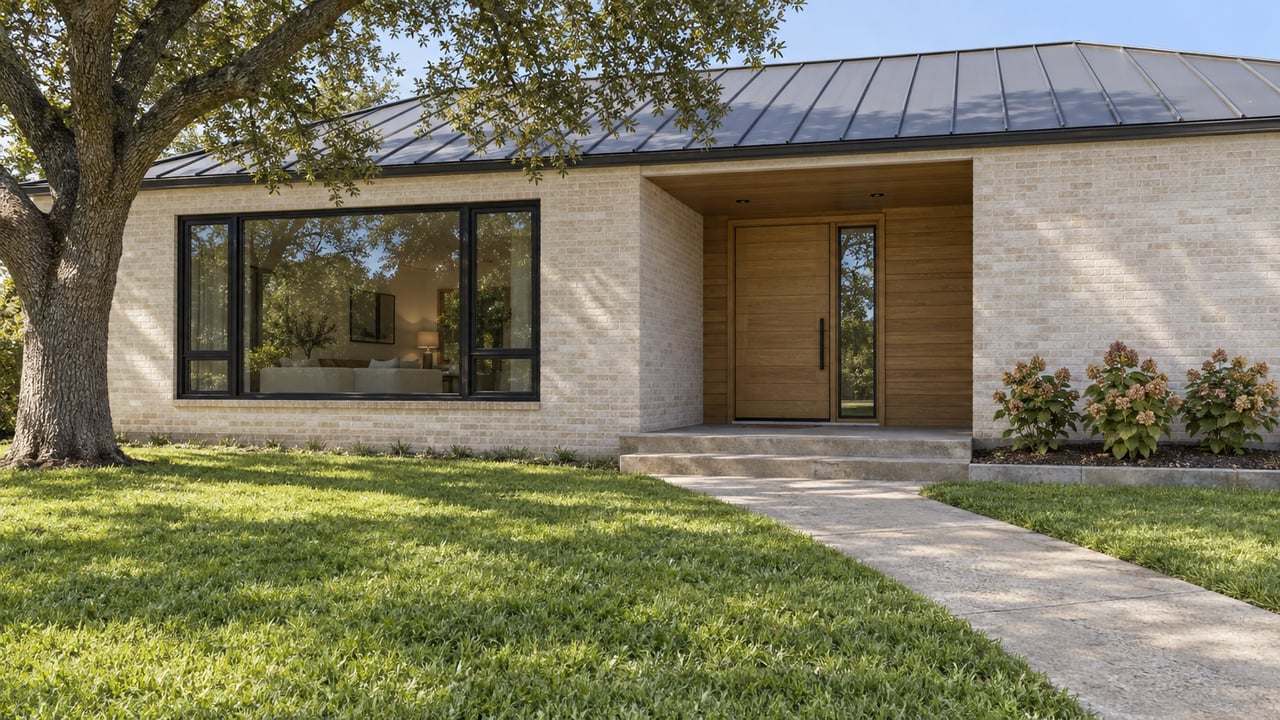
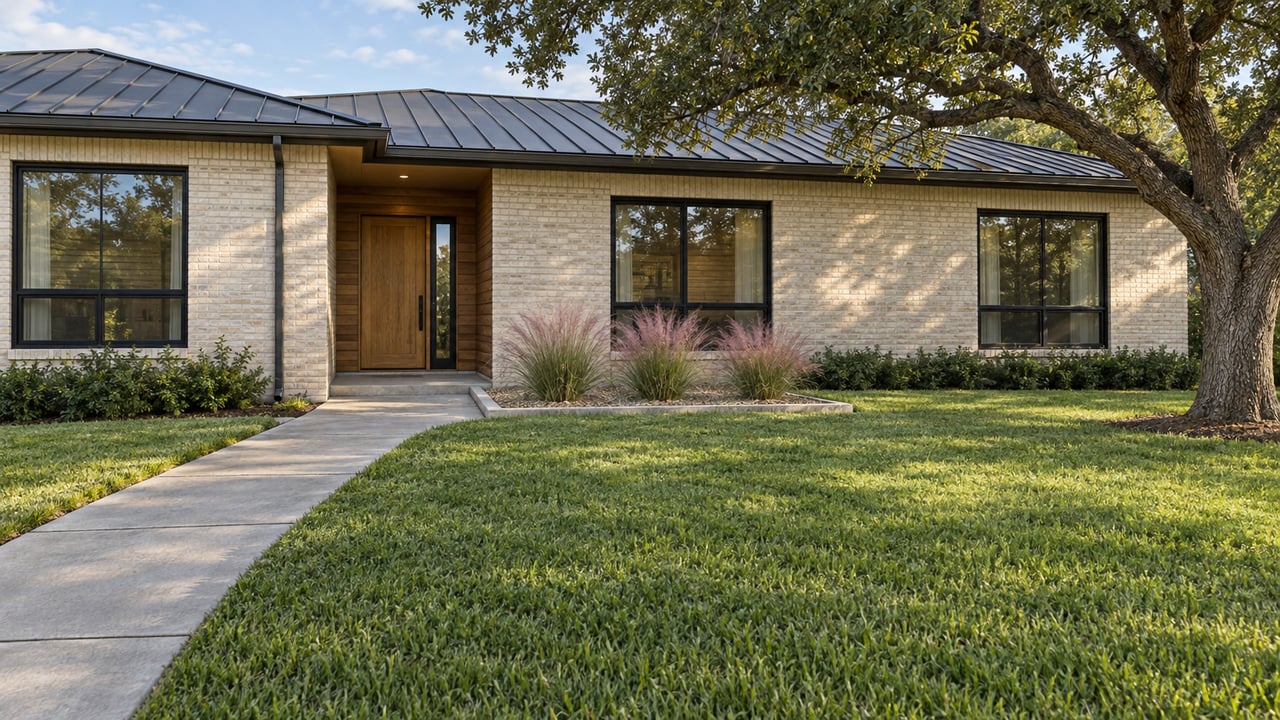
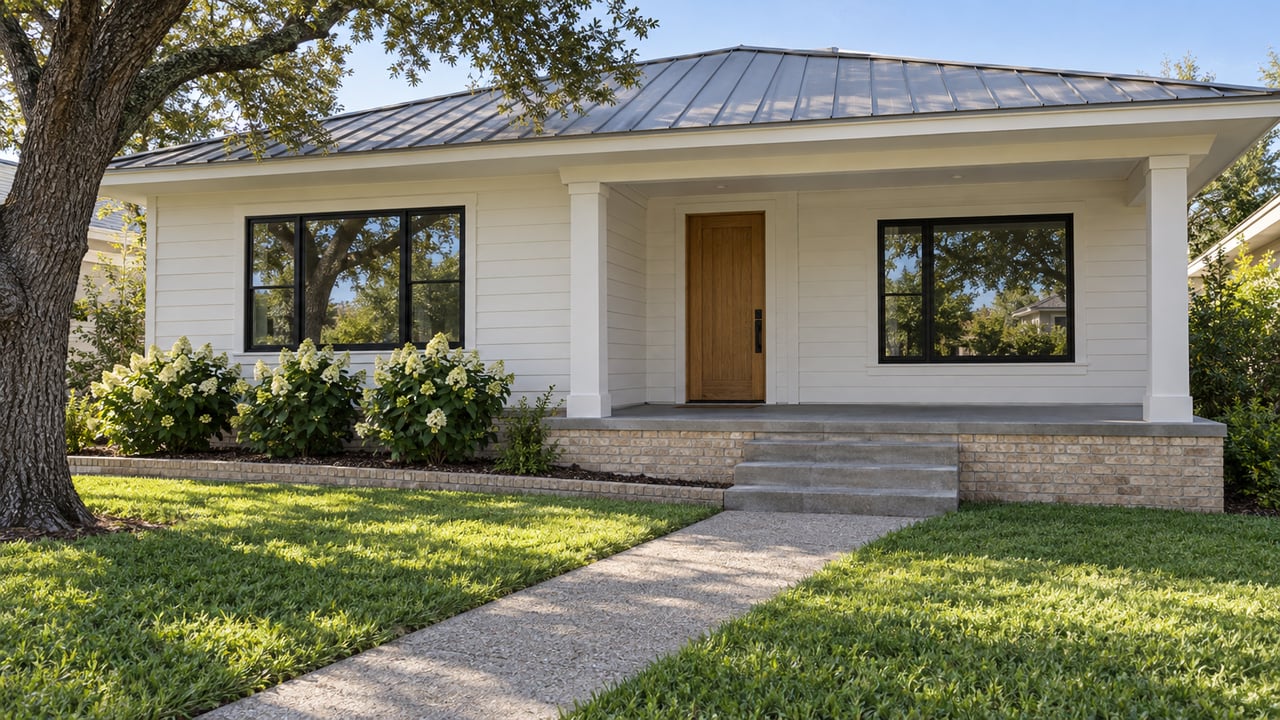
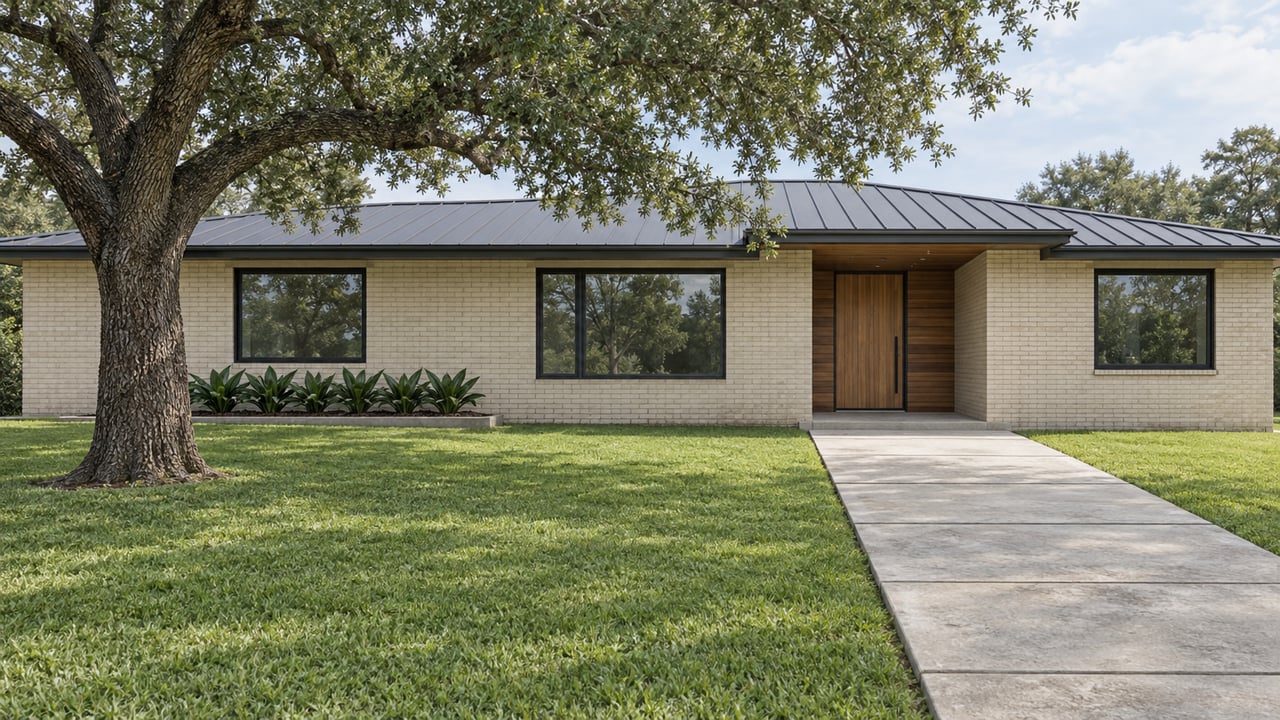
One of the most important things to know is that Montrose has a very mixed housing stock. This is not a neighborhood where most homes look or live the same.
City housing data show 22,372 total units in Neartown/Montrose. Of those, 5,534 are detached homes, 3,237 are attached units, and 10,008 are in buildings with 10 or more units.
That works out to about 24.7% detached, 14.5% attached, and 44.7% in larger multifamily buildings. So if you are expecting a classic detached-home neighborhood, Montrose may feel more varied than you first assume.
What that means for you
This mix gives you more product options. Depending on your budget and goals, you may see condos, townhomes, duplex-style opportunities, and detached homes all within the same broader area.
It also means your experience can change a lot from block to block. Parking, lot size, architecture, building age, and overall setting may vary more in Montrose than in more uniform neighborhoods.
Montrose Home Prices
If you are trying to pin Montrose down to one price point, you will probably get frustrated. The neighborhood has too much variety for a single number to tell the whole story.
Current listing examples show a wide spread. Smaller condos can appear in the low $100,000s to mid $300,000s, townhome or condo examples may be around $529,000, a historic duplex example has been listed around $625,000, and detached homes have ranged from roughly $930,000 to $1.395 million.
Those are examples, not a formal price band. Still, they show how much pricing can shift based on property type, condition, and exact location.
HAR’s June 2026 Montrose market-area snapshot reported 5.6 months of inventory, 47.2 days on market, and a median sold price of $924,162. That median is best used as a broad benchmark, not a promise of what every Montrose home will cost.
HOA and Property Rules to Check
Montrose is not a single HOA neighborhood. That matters because HOA rules and property restrictions can differ a lot depending on whether you buy a condo, townhome, detached home, or property in a more specific pocket.
The area includes detached homes, townhomes, condos, apartments, civic associations, and historic districts. Before you buy, you will want to confirm exactly what applies to the property you are considering.
Texas State Law Library guidance notes that HOA governing documents can address restrictions, fines, meetings, and management rules. Texas law also covers topics like dues, records, liens, meetings, and voting rights.
For condo properties, buyers should also confirm the association structure and management certificate information through TREC’s public HOA database. This step can help you better understand fees, rules, and how the association operates.
Commute and Daily Convenience
Montrose often appeals to buyers who want to stay close to the center of Houston. Its inner-loop location is one of its strongest advantages.
Because it sits just southwest of downtown and near major corridors like Highway 59 and Allen Parkway, many buyers look to Montrose for easier access to central employment hubs and city amenities. Your exact commute will still depend on where you work and the specific block you choose.
The neighborhood has also been part of planning work focused on multimodal access and neighborhood-scale improvements. If walkability, bike access, or staying connected to central Houston matters to you, that is part of the long-term appeal.
Lifestyle Fit: Who Usually Likes Montrose
Montrose tends to attract buyers who want more than just a house. If you want a neighborhood with strong identity, cultural landmarks, varied housing, and a close-in location, Montrose is often worth a serious look.
It can be a strong fit for relocating professionals who want centrality without committing to a purely high-rise lifestyle. It can also appeal to first-time intown buyers who want flexibility in housing type and a neighborhood with an established sense of place.
If you enjoy a polished but highly uniform neighborhood, Montrose may feel less predictable than other options. That unpredictability is part of its appeal for some buyers and a drawback for others.
Resale Considerations in Montrose
Montrose’s mixed housing stock can widen the potential buyer pool when it is time to sell. A neighborhood that includes condos, townhomes, and detached homes can attract different kinds of buyers at different price points.
That said, resale in Montrose is very property-specific. Block, architecture, parking, lot size, HOA quality, and whether a home sits in a historic or deed-restricted pocket can all shape future demand.
This is where local guidance matters. In a neighborhood with this much variation, broad averages are useful, but property-level analysis is what helps you buy well.
How Montrose Compares Nearby
If you are choosing between several central Houston neighborhoods, Montrose usually lands in the middle on housing style and feel. It is often more eclectic and historically layered than some nearby options, while still offering a more urban mix than detached-home-heavy areas.
Montrose vs. Heights
Greater Heights has a much larger share of detached homes. City data show about 68.4% detached units in Greater Heights versus 24.7% in Montrose.
HAR’s March 2026 market update put Heights/Greater Heights at an $848,961 median sold price with 34.6 days on market. If you want a more bungalow- and yard-oriented setup, Heights may be the more natural fit.
Montrose vs. Midtown
Midtown is much more condo and apartment oriented. City data show 75.7% of Midtown housing units are in buildings with 10 or more units.
HAR describes Midtown as an active neighborhood between Downtown and the Texas Medical Center with METRORail access, and its average list price is $657,479. If transit adjacency and a more vertical housing product are top priorities, Midtown may stand out.
Montrose vs. Upper Kirby
Upper Kirby is also heavily multifamily and condo oriented, but generally at a higher price point. City data show about 77.5% of housing units there are in buildings with 10 or more units, and HAR’s current average list price is $1,013,436.
If you are looking for a mixed-use inner-loop setting with boutiques, restaurants, galleries, and a more polished feel, Upper Kirby may be on your list. For many buyers, though, Montrose offers a more eclectic identity at a lower current price snapshot.
Montrose vs. Rice/Museum District
Rice/Museum District is the premium-priced nearby alternative. HAR’s June 2026 market update shows a median sold price of $1,423,467, which is well above Montrose’s reported market-area median sold price.
If your budget is flexible and you are targeting an upper-end inner-loop setting near museum amenities, Rice/Museum District may feel like a step-up option. If you want central Houston culture with more housing flexibility, Montrose may be the better fit.
Signs Montrose Could Be Right for You
Montrose may be a good match if you want:
- A central Houston location near downtown
- A neighborhood with strong character and cultural anchors
- More than one housing type to choose from
- A mix of condos, townhomes, and detached homes
- An urban lifestyle with local dining, art, and everyday activity
- A property search where block-by-block differences are part of the process
Signs You May Prefer Another Area
Montrose may be less ideal if you want:
- A neighborhood with mostly large detached homes
- More uniform architecture and lot sizes
- A simpler HOA or deed-restriction landscape
- A highly predictable price range across most listings
- A more suburban feel inside your neighborhood
The Bottom Line on Montrose
Montrose can be a great fit if you want central Houston access, varied housing, and a neighborhood with real personality. It is especially compelling if you value location, culture, and flexibility more than uniformity.
The key is to evaluate Montrose at the property and block level, not just by zip code or headline price. If you want help comparing Montrose with nearby Houston neighborhoods or narrowing down the right property type for your budget and lifestyle, Jaime Fallon can help you make a more confident move.
FAQs
Is Montrose in Houston a good fit for first-time intown buyers?
- Montrose can be a strong option for first-time intown buyers because it offers a wide mix of housing types and a central location, though prices and property conditions vary significantly by block and product type.
Are most homes in Montrose detached houses?
- No. City housing data show Montrose has a mixed housing stock, with about 24.7% detached units, 14.5% attached units, and 44.7% of units in buildings with 10 or more units.
How expensive is Montrose compared with nearby Houston neighborhoods?
- Montrose sits below current market-area pricing in Rice/Museum District and below Upper Kirby’s current average list price, while headline comparisons with Heights or Midtown depend on the property type you want.
Do Montrose properties usually have an HOA?
- Not always. Montrose is not one single HOA neighborhood, so HOA exposure depends on the exact property, building, or pocket you are considering.
What should buyers check before purchasing a condo in Montrose?
- Buyers should confirm the condo association structure and review management certificate information through TREC’s public HOA database so they understand fees, rules, and how the association operates.
Is Montrose a walkable area in Houston?
- Montrose is often considered appealing for buyers who value central access and neighborhood-scale mobility, and planning work in the area has focused on pedestrian, cycling, transit, and green space improvements.