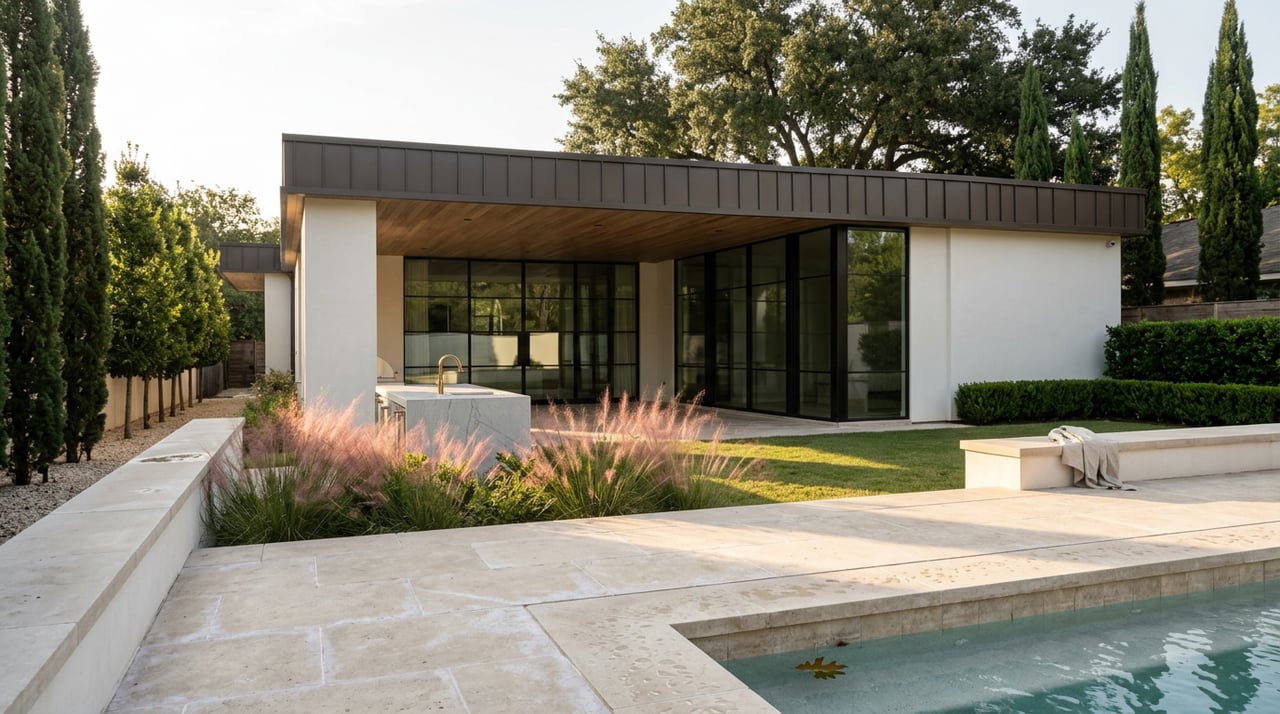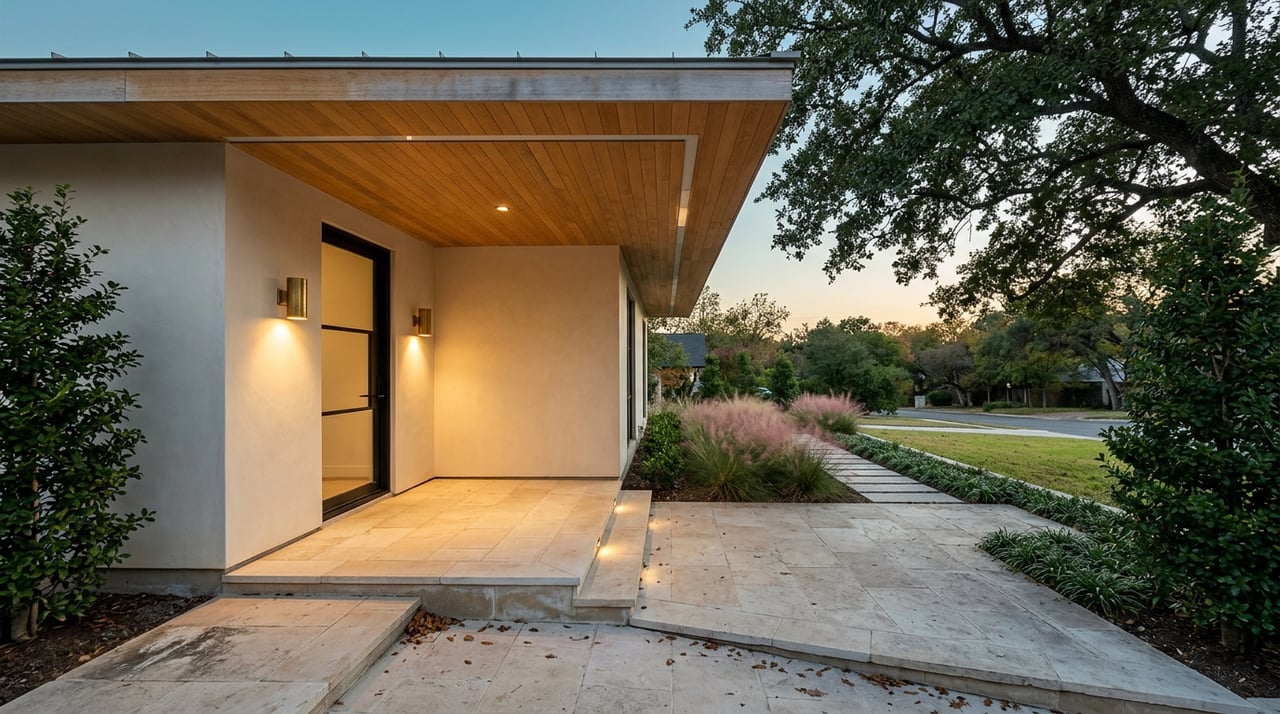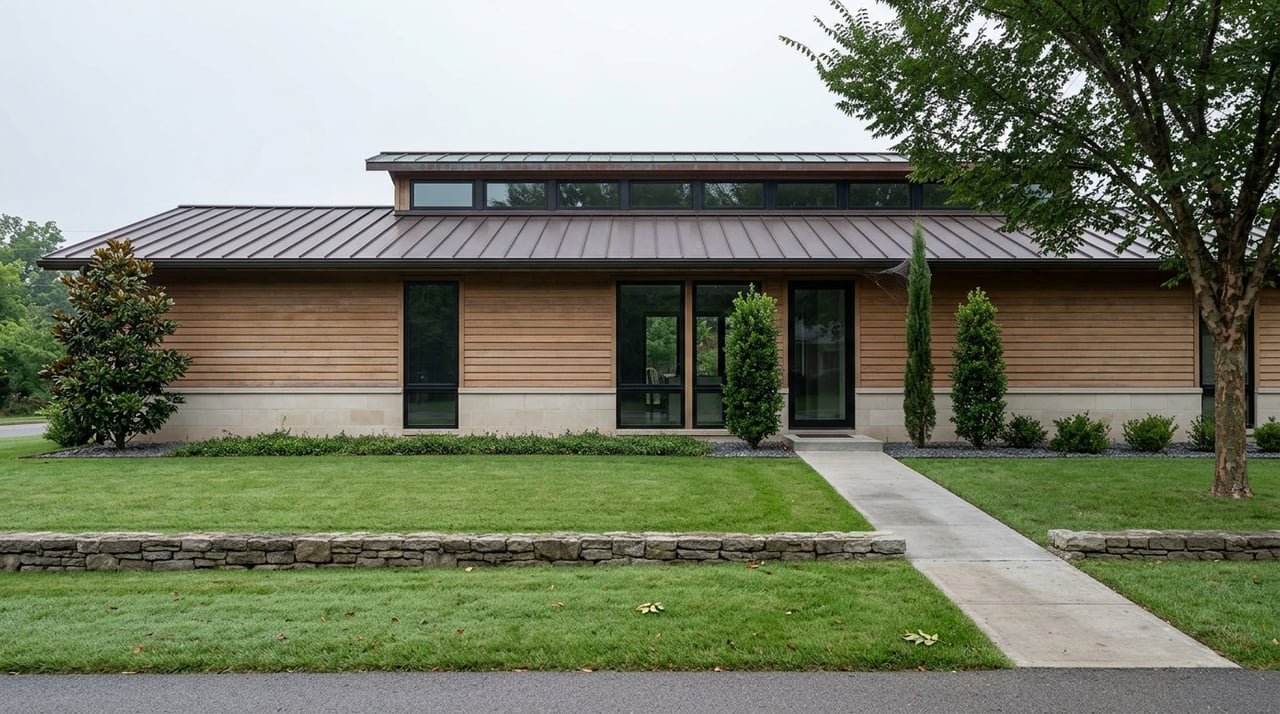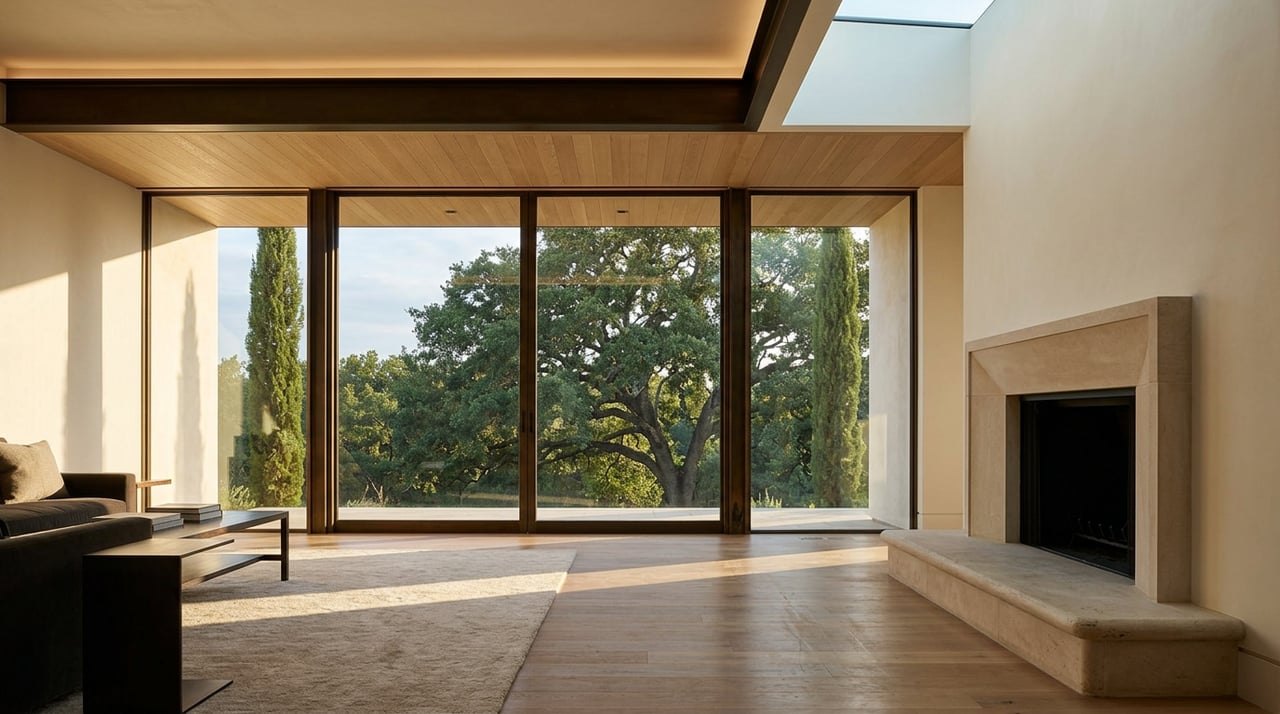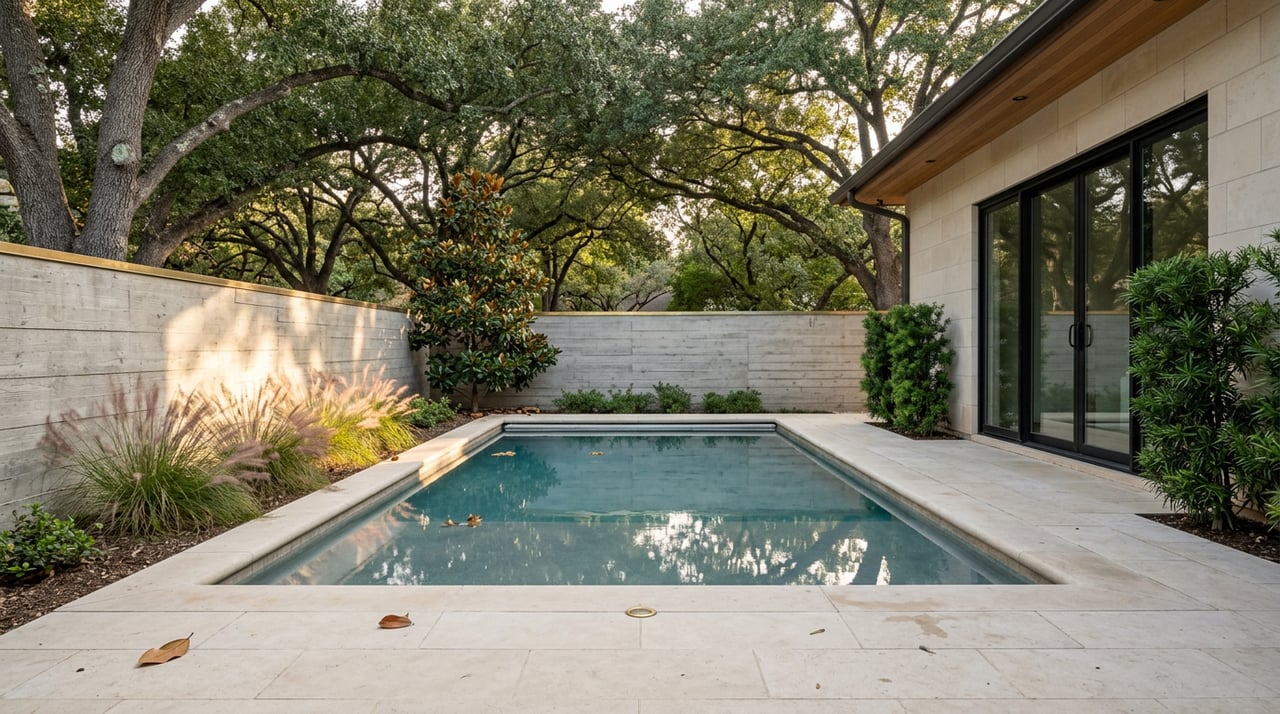
Two houses are on the market right now in Afton Oaks, less than a mile apart, on lots within 800 square feet of each other. One is a 1956 one-story ranch on Ingersoll Street asking $699,000, or $312 a square foot. The other is new construction on Newcastle Drive asking $2,199,950, or $464 a square foot. Strip out the lot size difference and the land under each home is nearly identical. The 49 percent gap in price per square foot is almost entirely the house sitting on top of it.
That gap, scaled up by a factor of ten, is the whole story of the River Oaks market this year. And it explains something that trips up almost every buyer comparing this neighborhood across different websites: the "median price" you find depends entirely on which site you're looking at, and none of them are wrong.
What four sources actually measured, and why they disagree
A buyer who checks four different sites for River Oaks home prices in 2026 will come away with four different numbers, each defensible on its own terms.
| Source | Window | Reported figure | What it's measuring |
|---|---|---|---|
| Redfin | March 2026 | $2.1M median sale price, $632/sqft | Closed sales, all home types |
| Movoto | June 2026 | $2.47M median list price, $556/sqft | Active listings, not closings |
| Homes.com | July 2026 | $1,162,500 median, $2,013,100 average | Closed sales, all home types |
| Houston.com neighborhood guide | Mid-2026 | Above $2.5M median | Closed sales, single-family homes inside the core deed restrictions only |
None of these are measuring the same thing. One is tracking what sellers are asking. One is tracking what actually closed. One folds in condos and townhomes, which pulls the median down while the average stays anchored by a handful of multimillion-dollar estate sales. One deliberately excludes everything but single-family homes inside River Oaks' original deed-restricted core, which is why it lands highest.
The Homes.com gap alone is the clearest tell. A median of $1,162,500 against an average of $2,013,100 in the same July 2026 window only happens when a market has a cluster of lower-priced sales and a separate cluster of much higher ones, with not much in between. That's not noise. That's the shape of the market.
The market is two markets, and one of them is dirt
River Oaks holds fewer than 1,300 single-family homes inside its original deed restrictions, on roughly 1,100 acres developed starting in the 1920s by brothers William and Michael Hogg, working with Houston attorney Hugh Potter. In a typical month, fewer than 25 homes sit active across River Oaks Country Club Estates, River Oaks Section One, and the boulevard itself. That's a small enough pool that a single closing on Lazy Lane can move the monthly median more than an entire quarter of activity in a bigger neighborhood.
Inside that small pool, two very different transactions get lumped into one number. The first is a finished, architect-designed home. The second is a house being sold for what a builder will pay to tear it down.
That second category isn't rare. Roughly a quarter of recent River Oaks sales have involved a tear-down and rebuild, and tear-downs regularly trade above $3 million because builders are pricing the purchase against the land underneath, not the structure on top of it. Acre-plus lots inside the deed restrictions can carry $4 million to $7 million in land value alone before anyone breaks ground. One current listing on Olympia Drive makes this explicit: the home is being marketed at lot value, sold as-is, aimed squarely at builders and investors who plan to clear the site.
Once you know to look for it, the pattern shows up across the neighborhood's price bands. The estates along Lazy Lane, Inwood, and Del Monte trade between $8 million and $25 million, largely reflecting land on the most established streets. A few blocks over, on the side streets in River Oaks Section Two west of Willowick, renovated historic homes run $2 million to $6 million for comparable square footage, because the address carries less of the land premium that the boulevard commands. Same neighborhood, same school zoning, different land economics entirely.
Why the small sample makes this worse
A market this size doesn't just have two kinds of sales. It doesn't have enough of them in any given month to average out the difference.
Redfin recorded 29 closed sales in River Oaks in March 2026, down from 42 the year before. A separate tracker covering a 30-day window in the spring of 2026 counted just 5 closed sales, down from 11 a year earlier. When your entire monthly dataset is single digits to twenties, one $8 million estate closing and one $3 million teardown closing in the same 30 days can swing the reported median by hundreds of thousands of dollars, without the underlying market moving at all.
This is the piece that gets lost when a headline number gets repeated without its context. A median isn't a price. It's the midpoint of whatever happened to close that month, in a neighborhood where what closes varies wildly by design, not by market weakness.
Days on market tells a version of the same story from another angle. Redfin showed homes selling in 51 days as of March 2026, down sharply from 97 days a year earlier. Movoto's June 2026 snapshot showed a median of 45 days. Faster days on market usually signal tightening demand. In River Oaks, it can also mean more of that month's closings were land-value sales, which move faster because the buyer is pricing dirt and permits, not negotiating over a kitchen renovation or a foundation inspection.
What actually tells you the truth about a specific house
None of this means the neighborhood's data is unreliable. It means the headline median is the wrong tool for evaluating one specific house, and there's a better one sitting right underneath it.
- Pull price per square foot within a tight comp set, not the neighborhood median. Compare a home only against others on the same street or section, built in the same era, on a similar lot. The Ingersoll Street and Newcastle Drive comparison in Afton Oaks works because the lots are close in size. Stretch that comparison across sections with different lot profiles and the number stops meaning anything.
- Ask directly whether the listing is being priced as a house or as a site. Language like "sold as-is" or "offered at lot value" is a signal the seller expects the buyer to tear it down. Once you know that, the asking price tells you about land economics, not renovation value.
- Check which deed restriction era applies before assuming a teardown is simple. River Oaks' 1920s-era restrictions on setbacks, height, materials, and tree preservation are still actively enforced, and a full teardown-to-new-construction timeline typically runs 18 to 24 months once permits are issued. That timeline belongs in the price comparison too.
- Separate single-family data from blended data. If a source folds condos and townhomes into its median, as several portal-style trackers do, expect the number to sit lower than a single-family-only figure covering the same window. Neither is wrong. They're answering different questions.
- Weight school zoning into resale math, not just current price. Homes zoned to River Oaks Elementary's Vanguard magnet program have historically held value better during slower stretches, which matters more the longer you plan to hold.
The land is the asset. The house is the improvement.
The through line across every number in this piece is the same one visible in the Afton Oaks comp that opened it: in this corner of Houston, the ground under a house has become a bigger driver of price than almost anything built on top of it. That's true at $700,000 in Afton Oaks and it's true at $8 million on Lazy Lane. The difference is scale, not mechanism.
For a seller, that means the renovation and staging decisions that move the needle elsewhere in Houston carry different weight here. A cosmetic update on a home that's competing against teardown pricing won't close the gap. A home positioned correctly against its land value, with improvements that actually extend its life past the point where a builder would rather start over, is a different conversation entirely.
If you're weighing a purchase, a sale, or a renovation-versus-rebuild decision anywhere in Afton Oaks or River Oaks, the median price on any single site is a starting point, not an answer. Jaime Fallon works this specific market daily, from the land-value calculus on a teardown to the design decisions that protect a home's price against it. Request a complimentary consultation and home valuation to find out what your specific address, lot, and comp set are actually telling you.
FAQ
Does a lower price per square foot always mean a better deal? Not on its own. A lower price per square foot on a home being sold at lot value can mean the buyer is expected to demolish it. Compare price per square foot only within a tight set of homes that are similar in era, condition, and lot size, and confirm whether the listing is being marketed as a finished home or as a future building site.
How long does a teardown-to-new-construction project typically take in River Oaks? Plan for roughly 18 to 24 months from permit issuance to completion, and build the deed restriction review, which covers setbacks, height, materials, and tree preservation, into that timeline before you commit to a purchase price.
Is Afton Oaks a cheaper way into the same market as River Oaks? Afton Oaks sits just outside River Oaks with its own deed-restricted community of more than 500 homes, and its pricing follows the same land-driven logic at a lower price point. Original 1950s ranches and newer custom construction can sit within the same subdivision, and the price difference between them is largely the same story told at a smaller scale.