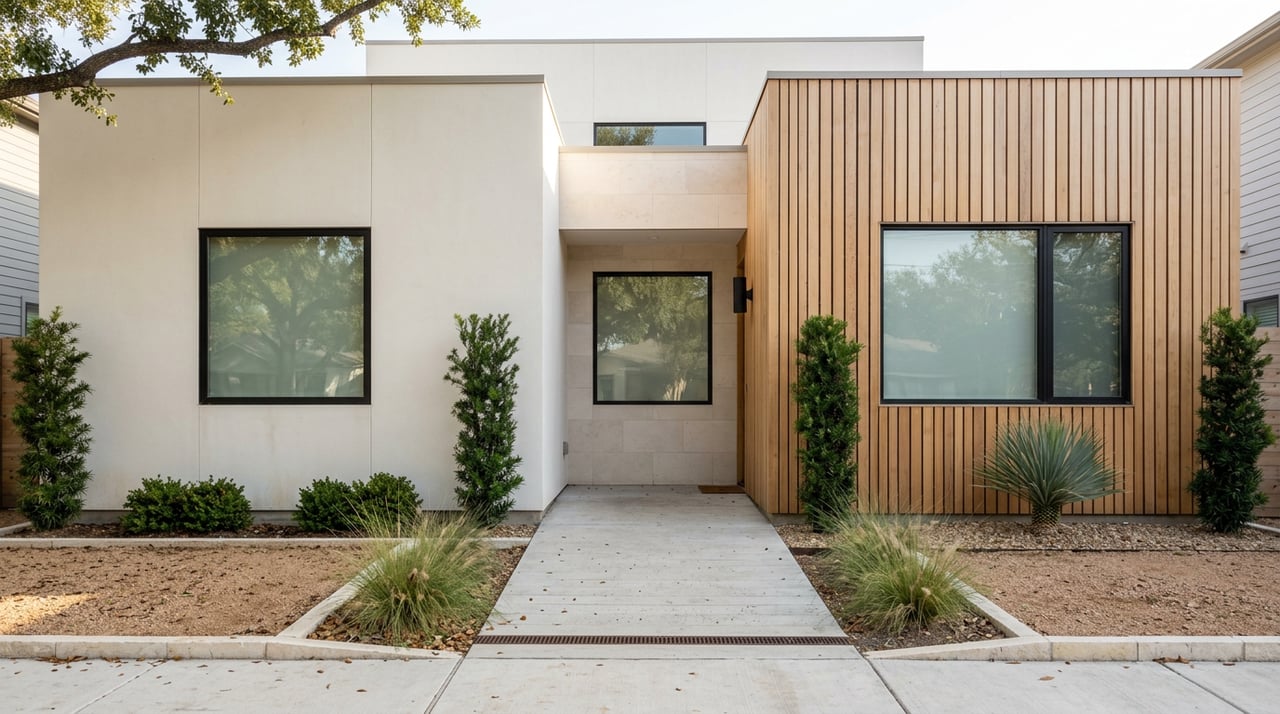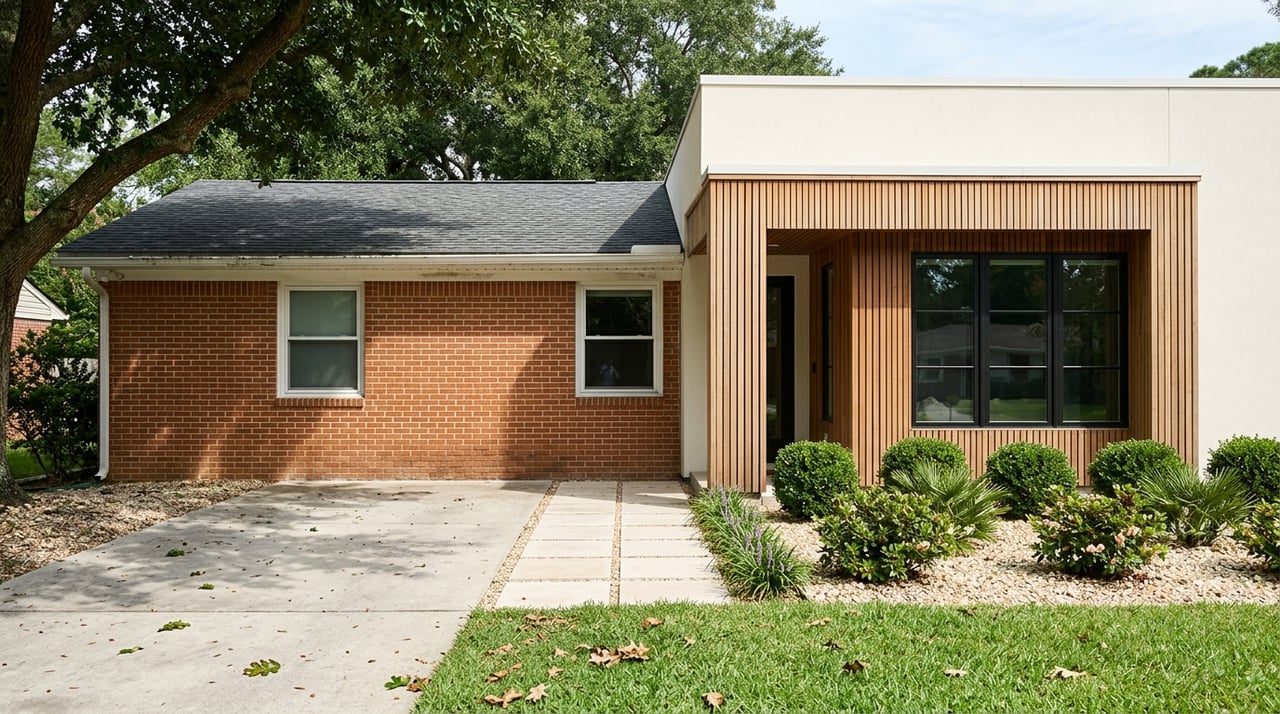
Wondering whether to remodel your 77024 home or start over with a rebuild? In this ZIP code, that decision can swing by millions, and the wrong call can cost you time, money, and missed opportunity. If you own an older home, are eyeing a value-add project, or want to understand your lot’s true potential, this guide will help you think through the numbers, site factors, and local rules that matter most. Let’s dive in.
Why This Decision Is Different in 77024
77024 is not a one-price-fits-all market. HAR data shows a May 2026 median sold price of $2.2815 million for single-family homes across 36 transactions, with 7 days on market, while June 2026 active single-family listings had a median list price of $2.975 million across 122 listings. That gap alone tells you that pricing, condition, and property type vary widely within the ZIP.
You also see that range in current inventory. HAR shows 24 new-home listings in 77024, with examples from about $1.545 million to $7.995 million, plus 8 active lots-and-land listings ranging from $675,000 to $8.5 million. In practical terms, that means you should not make a remodel-versus-rebuild decision based on ZIP-code averages alone.
In 77024, comp selection needs to be street-specific and lot-specific. Two homes with similar square footage can have very different outcomes if one sits on a standard interior lot and the other sits on an oversized or uniquely positioned parcel. That is often where the real decision starts.
Start With the Lot, Not the House
When you are deciding whether to remodel or rebuild, the lot often matters more than the existing structure. HCAD uses a cost approach for single-family homes that considers replacement cost new, less depreciation, plus land value. HCAD also notes that its cost and design index reflects factors such as the level of remodel, a new home in an older neighborhood, or economic mis-improvement.
That matters because HCAD also explains that if the most profitable and practical use is to tear down the improvement and build something else, the value effectively shifts to the land. In plain English, if your lot can support a much more valuable product than the current house, the land may be driving the decision.
HCAD also notes that minor lot-size differences below the base lot often have little impact on selling price. So in teardown math, the lots that really stand out are the unusually large lots or the ones with a unique setting, shape, or location.
When Rebuilding May Make More Sense
A teardown is not always the answer, but in 77024 it can be the cleaner economic choice on the right site. Current land listings include parcels of roughly 2.767 acres at $8.5 million, 1.526 acres at $3.35 million, and 1.344 acres at $4.3 million. Those figures show how strongly some buyers value land in this ZIP code.
Now compare that to older ranch-style homes that still trade in the low-to-mid seven figures. The research report notes a 1964 ranch in Fonn Villas sold around $827,000 to $947,000, and a 1963 ranch on an 11,240-square-foot lot sold around $1.08 million to $1.24 million. When the land value is pulling far ahead of the existing house, a rebuild may align better with the site’s highest and best use.
You may want to look harder at a rebuild if:
- Your home is older and functionally dated
- The lot is oversized or unusually well positioned
- Nearby land comps are strong
- New construction nearby is achieving a much higher price tier
- A renovation would still leave you with layout, ceiling height, or structural limitations
In this scenario, pouring significant money into an older structure may not produce the same return as creating a new home that better matches what the market wants on that lot.
When Remodeling May Be the Better Move
A remodel can make more sense when the existing home is already structurally sound and sits on a more standard lot. In those cases, you may be able to renovate into a product that competes with nearby updated homes without taking on the cost, timeline, and permit path of a full teardown.
The research report points to a 2025 new-construction home on an 11,142-square-foot lot that sold around $1.888 million to $2.176 million. It also notes that current 77024 new-home listings range from about $1.545 million to nearly $8 million. That tells you there is demand for newer product, but it does not automatically mean every home should be rebuilt.
If your existing house can be renovated to remain competitive with nearby remodeled or newer homes, a major renovation may preserve more time and reduce execution risk. That can be especially true if the remodel improves the parts of the home that buyers notice most, such as floor plan, kitchen, baths, finishes, and overall presentation.
You may want to lean toward remodeling if:
- The structure is in solid condition
- The lot is standard for the immediate area
- The home already has a workable layout or footprint
- Renovation costs are meaningfully lower than rebuild costs
- The likely resale premium does not justify demolition and new construction
How to Run the Numbers
The cleanest way to evaluate the decision is to compare total project cost against realistic after-project value. The research report suggests a practical model: current as-is value plus demolition cost plus soft costs plus hard costs plus carrying costs plus contingency versus expected after-remodel or after-rebuild value.
That framework matters because many owners underestimate the non-construction costs. In 77024, permit paths, design work, engineering, and site-specific requirements can materially affect your budget and timeline.
Here is a simple way to structure the analysis:
Remodel Cost Model
- Current as-is value
- Design and planning costs
- Permit fees
- Construction costs
- Temporary living or holding costs
- Contingency for change orders
- Expected market value after completion
Rebuild Cost Model
- Current as-is value or acquisition basis
- Demolition cost
- Survey, design, and engineering
- Permit fees and reviews
- Utility coordination
- New construction hard costs
- Carrying costs during longer timeline
- Contingency
- Expected market value after completion
The key is to keep soft costs visible. Do not bury surveys, engineering, permit fees, and utility coordination inside one big construction number. In Houston-area permitting, remodels, demolitions, and ground-up new builds do not follow the same path, so your model should reflect that.
Permits and Site Checks Matter More Than You Think
One of the biggest mistakes in 77024 is assuming the same rules apply across the entire ZIP code. Current HAR inventory includes Houston, Bunker Hill Village, and Hedwig Village addresses, so permit and deed-restriction checks should always be address-specific.
If your property is in Houston, the city states that it has no zoning. Instead, development is governed by ordinance codes, plat review, setbacks, parking, landscaping, access rules, and private deed restrictions. Those deed restrictions can affect lot size, structure type, orientation, and setbacks.
Houston also notes that site-plan review is one step in the building permit process. That is important because a project that looks straightforward on paper can become more complex once setback, access, or deed-restriction issues come into play.
For residential work in Houston, permit requirements are clear:
- Most residential projects require a building permit
- Remodeling, except painting and wallpapering, generally requires a permit
- Building repair generally requires a permit
- Residential remodel permits require plan review and inspection
- Residential remodel permits are listed with 1 to 15 business day processing and 6-month validity
- Residential demolition permits are required to demolish a residential structure
- Demolition permits require inspection and are valid for 180 days
If the property is in a Special Flood Hazard Area, the Floodplain Management Office permits construction in the 100-year and 500-year floodplain and floodway. The report also notes that a new single-family structure permit applies to ground-up construction and or foundation move-ins. That can directly affect timeline, soft costs, and feasibility.
A Practical Way to Make the Call
If you are trying to decide between remodel and rebuild in 77024, focus on four questions first.
What Is the Lot Worth?
If the lot has unusual size, location, or redevelopment appeal, land value may be the main driver. In that case, rebuilding often deserves a closer look.
What Is the House’s Real Ceiling?
Be honest about what a renovation can and cannot fix. Cosmetic upgrades can help presentation, but they may not overcome limits in footprint, layout, or overall product positioning.
What Does the Permit Path Look Like?
A remodel, demolition, and new build are not the same process. The more complex the permit path, the more important it is to budget for time, consultants, and holding costs.
What Do the Closest Comps Support?
In 77024, nearby sales and listings matter more than broad averages. A strong decision should be based on homes, lots, and new construction activity that closely match your street and site.
Why Local Execution Matters
This is where experience can protect your downside. In a market as segmented as 77024, the right answer is rarely a blanket rule. It is a property-specific strategy built around lot value, condition, local comps, permit realities, and your timing goals.
If you are selling, the best move may be a focused pre-list remodel that improves presentation and shortens market time. If you are investing, the better path may be a teardown that unlocks land value. If you are buying for a long-term hold, the decision may depend on whether you want speed and lower execution risk or maximum redevelopment potential.
A data-driven plan can save you from over-improving the wrong house or underestimating the upside of the right lot. That kind of clarity is especially important in a premium Houston micro-market where small differences can create major pricing swings.
If you want help evaluating a property in 77024, Jaime Fallon can help you assess the comps, the lot, and the improvement strategy so you can move forward with a clear plan.
FAQs
Should you remodel or rebuild an older home in 77024?
- It depends on the lot, the condition of the house, nearby comps, and whether the expected value after renovation justifies the cost versus a teardown and new build.
How important are lot size and lot position in 77024?
- They are very important because HCAD indicates minor lot-size differences may not matter much, while unusually large or uniquely located lots can have a major impact on value and teardown economics.
Do remodeling projects in Houston usually need permits?
- Yes. Houston states that most residential work on new or existing structures, including most remodeling and building repair, requires a permit, plan review, and inspection.
Does 77024 include areas with different permit considerations?
- Yes. Current inventory includes Houston, Bunker Hill Village, and Hedwig Village addresses, so permit and deed-restriction checks should be specific to the property address.
What costs should you include when comparing remodel versus rebuild in 77024?
- Include as-is value, demolition if needed, soft costs such as surveys and engineering, hard construction costs, permit fees, carrying costs, and a contingency, then compare that total to the likely after-project value.